
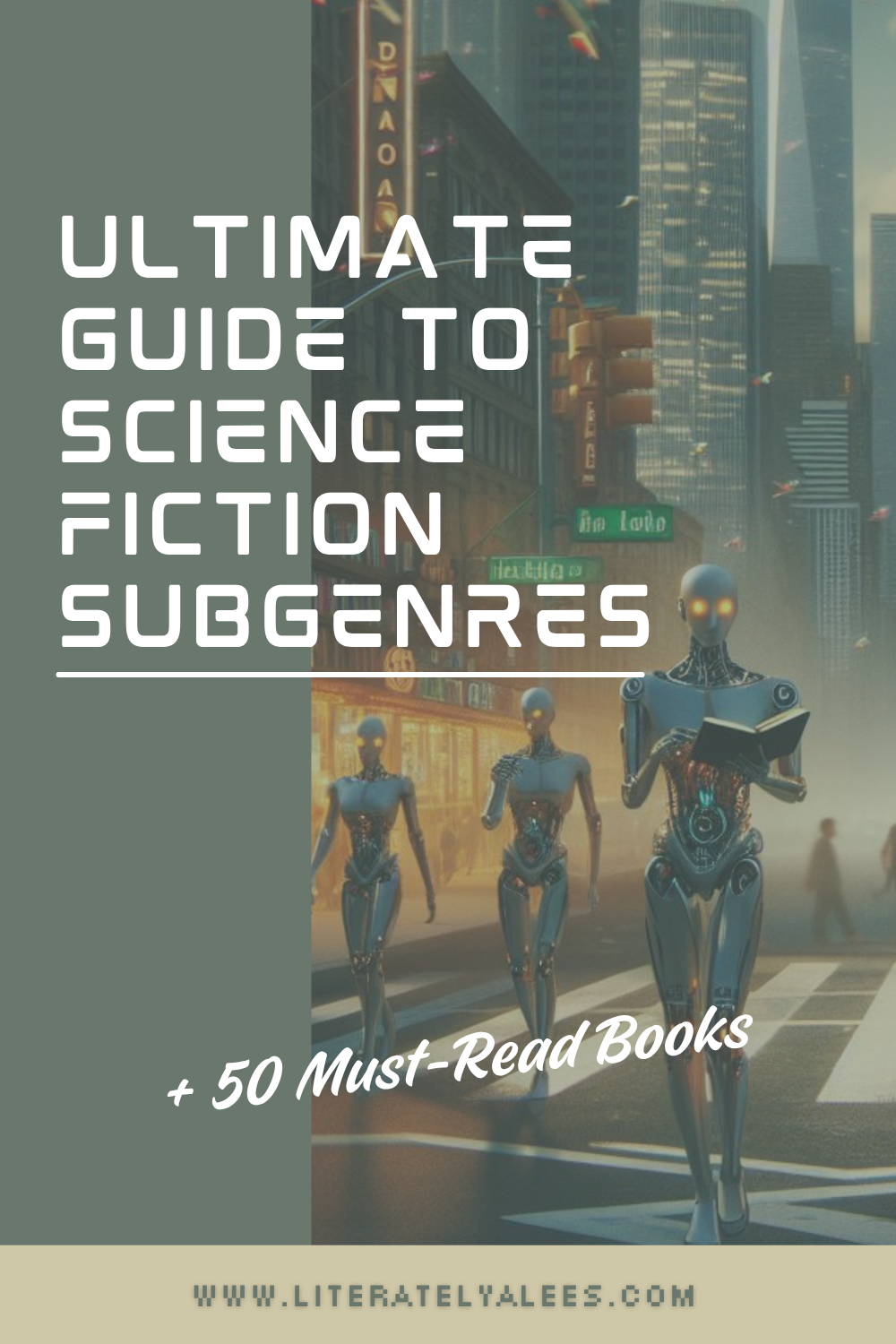
The Ultimate Guide to Sci-Fi Subgenres: From Space Operas to Cyberpunk
Science fiction is one of the most diverse genres in literature. While many people think sci-fi is simply "stories set in space," the reality is far more complex. Science fiction explores technology, humanity, society, science, and the future through countless lenses. Whether you're new to the genre or looking to expand your reading horizons, understanding the major sci-fi subgenres can help you discover your next favorite book.
Here's a breakdown of some of the most popular science fiction subgenres, what defines them, and five must-read books for each.
Space Opera
What Is It?
Space opera focuses on grand adventures set against the backdrop of space. These stories often feature interstellar travel, political conflicts, galactic empires, epic battles, and larger-than-life heroes.
Common Themes
Interplanetary warfare
Galactic politics
Heroic quests
Found family
High-stakes adventures
Recommended Books
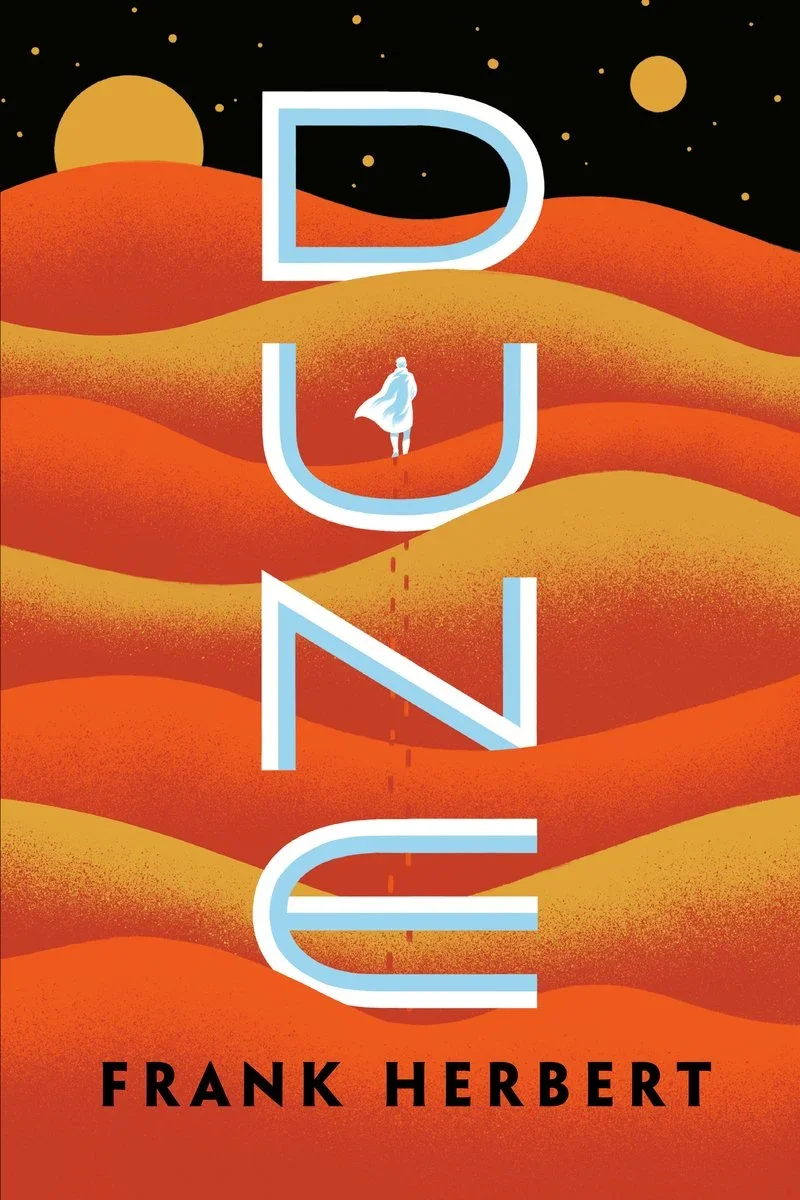
Dune by Frank Herbert
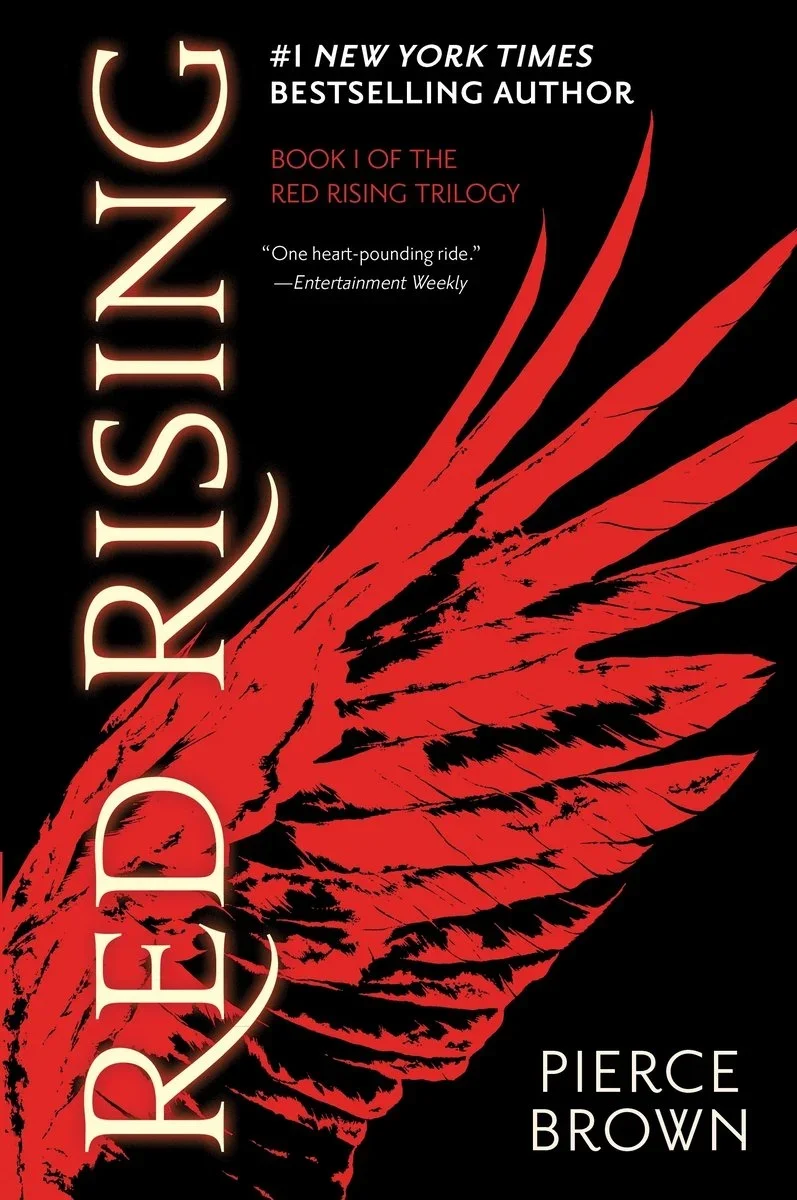
Red Rising by Pierce Brown
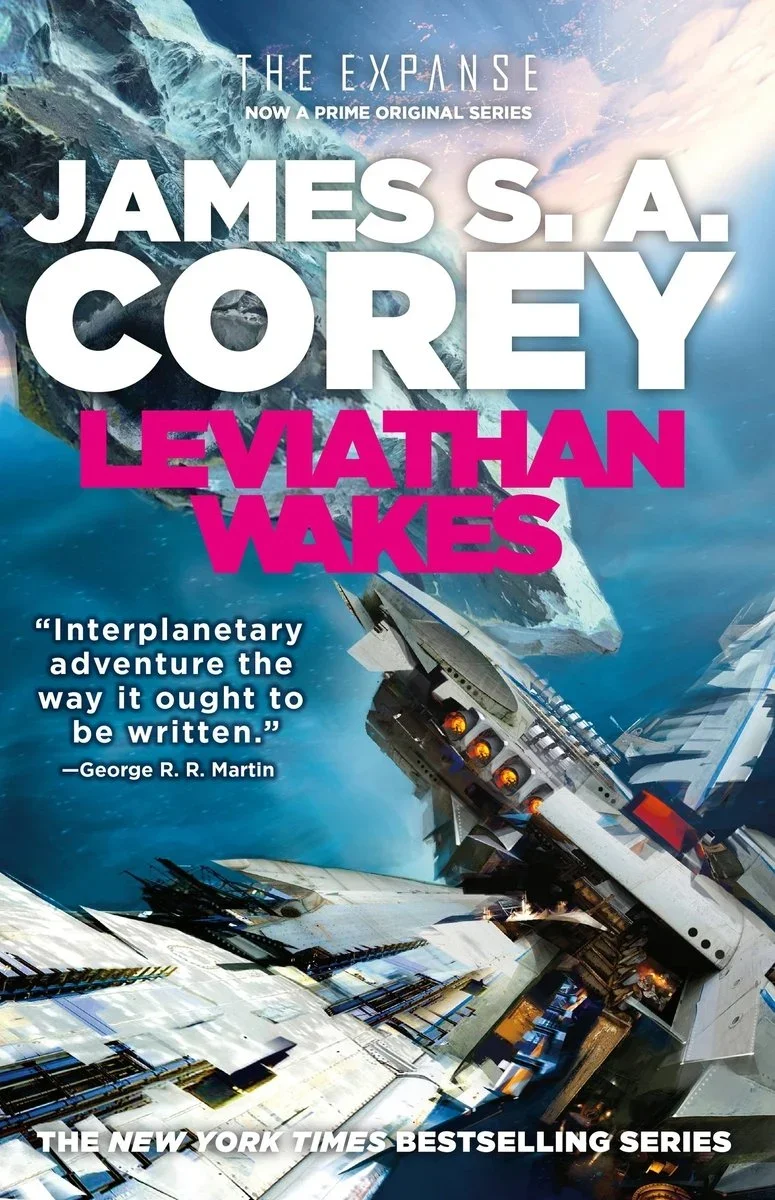
Leviathan Wakes by James S.A. Corey
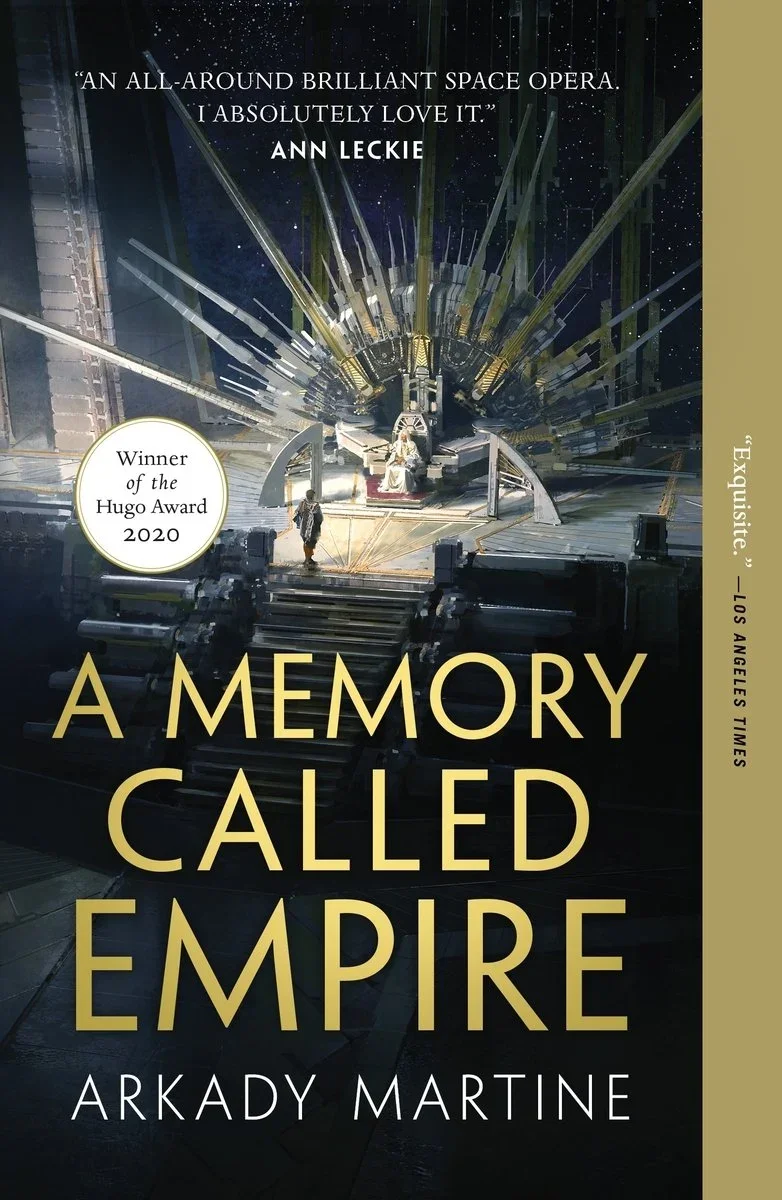
A Memory Called Empire by Arkady Martine
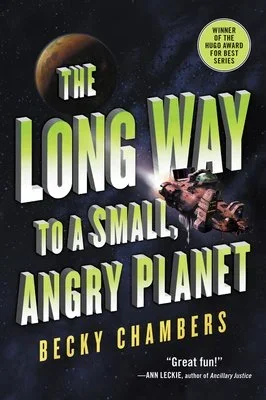
The Long Way to a Small, Angry Planet by Becky Chambers
Cyberpunk
What Is It?
Cyberpunk explores high technology paired with societal decline. Think mega-corporations, artificial intelligence, virtual reality, cybernetic enhancements, and morally gray protagonists navigating dystopian futures.
Common Themes
Corporate control
Artificial intelligence
Virtual reality
Cybernetic augmentation
Social inequality
Recommended Books
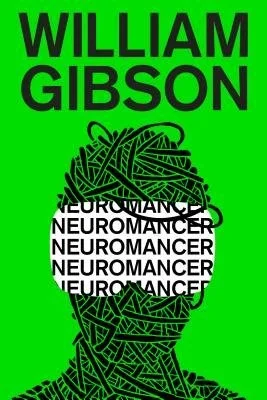
Neuromancer by William Gibson
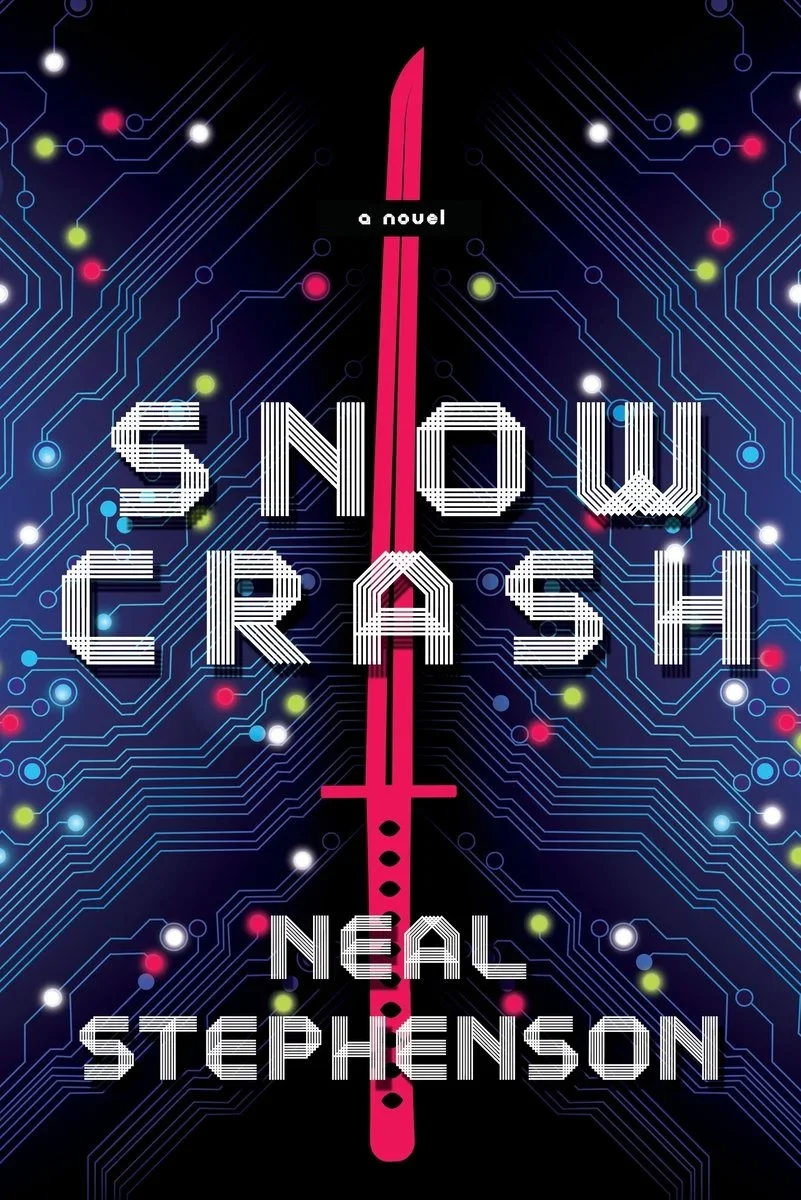
Snow Crash by Neal Stephenson
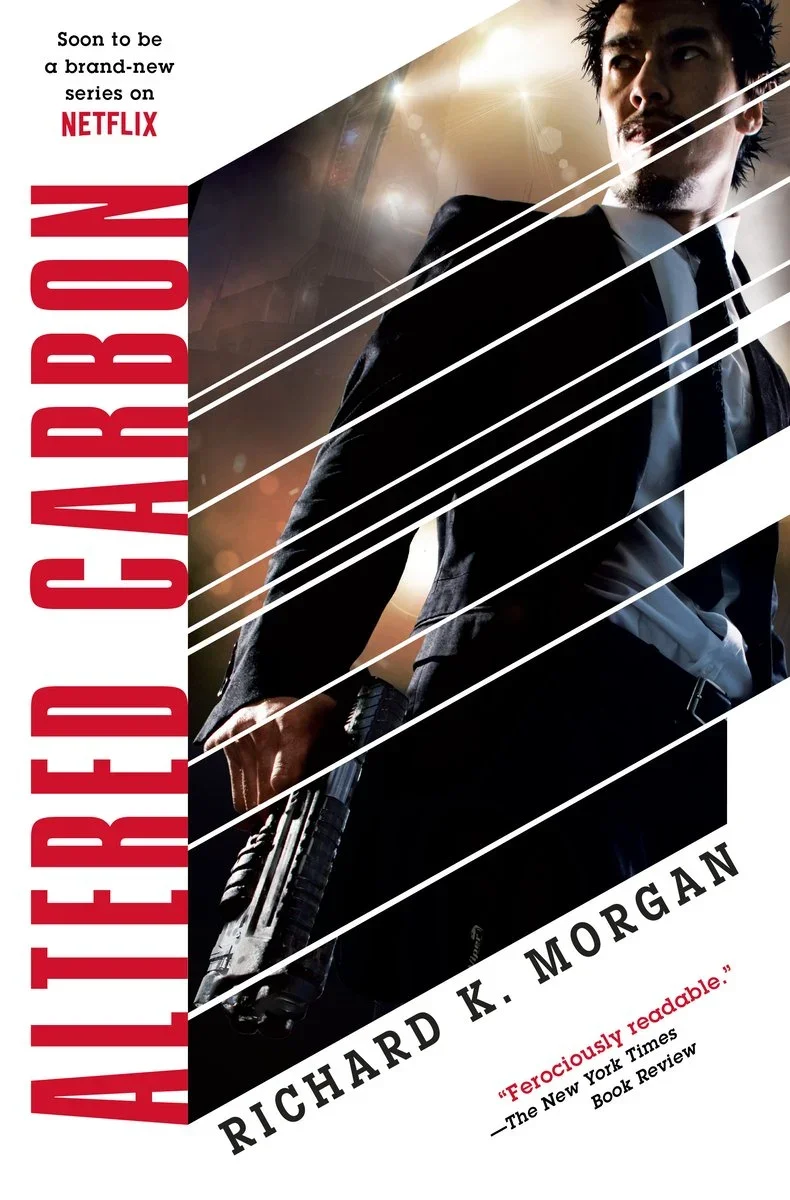
Altered Carbon by Richard K. Morgan
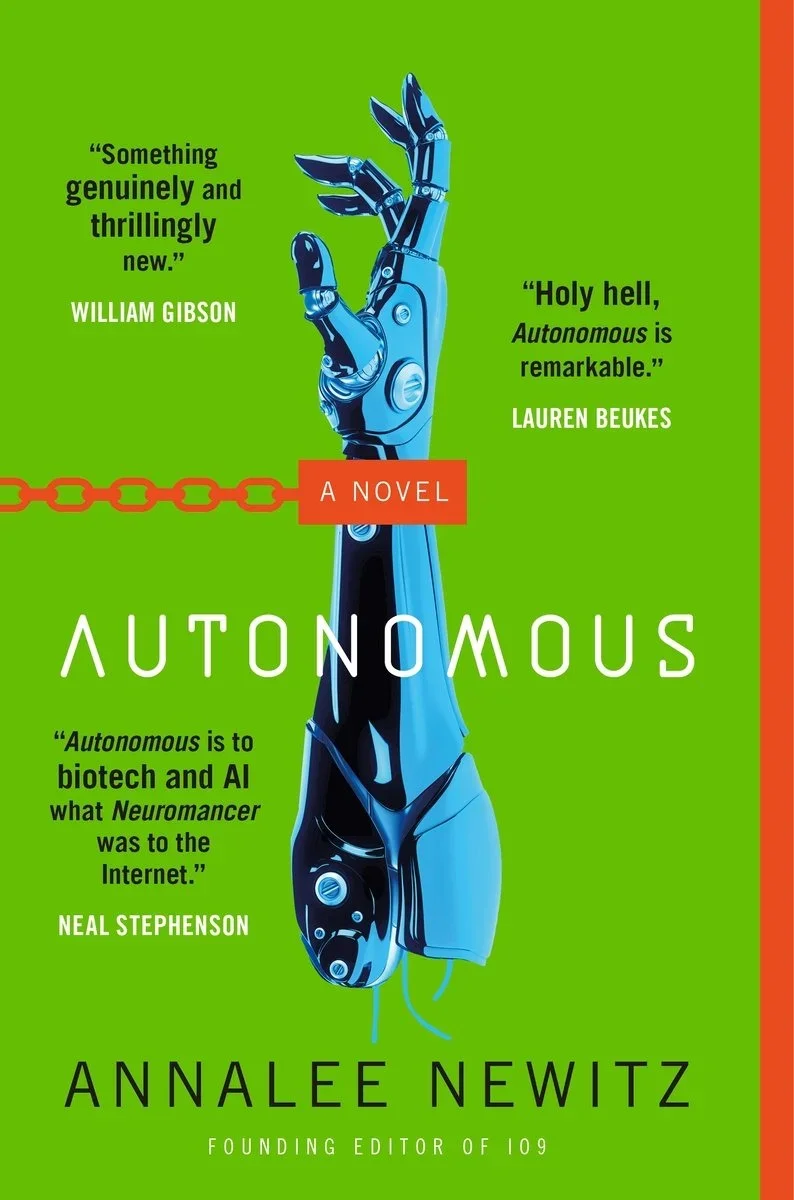
Autonomous by Annalee Newitz
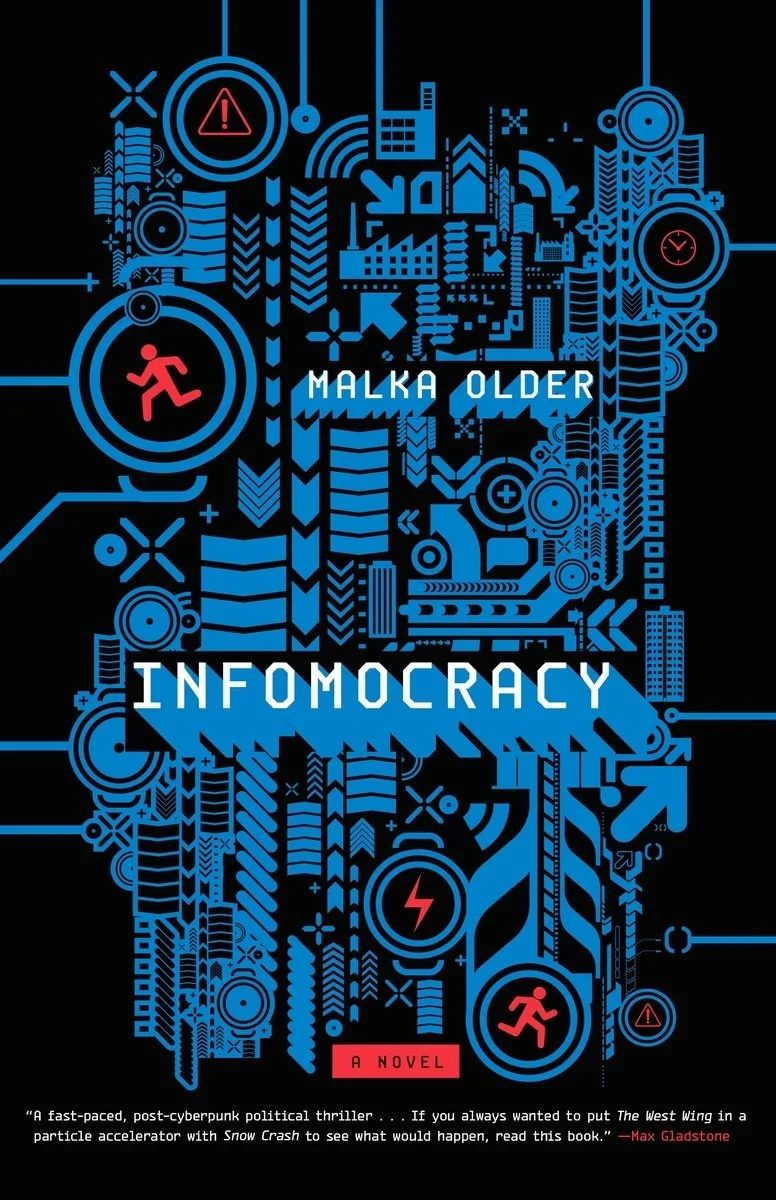
Infomocracy by Malka Older
Military Science Fiction
What Is It?
Military sci-fi centers on warfare, military strategy, and soldiers operating in futuristic settings. The focus is often on combat, leadership, and the human cost of conflict.
Common Themes
Space warfare
Military hierarchy
Duty and sacrifice
Tactical strategy
Survival
Recommended Books
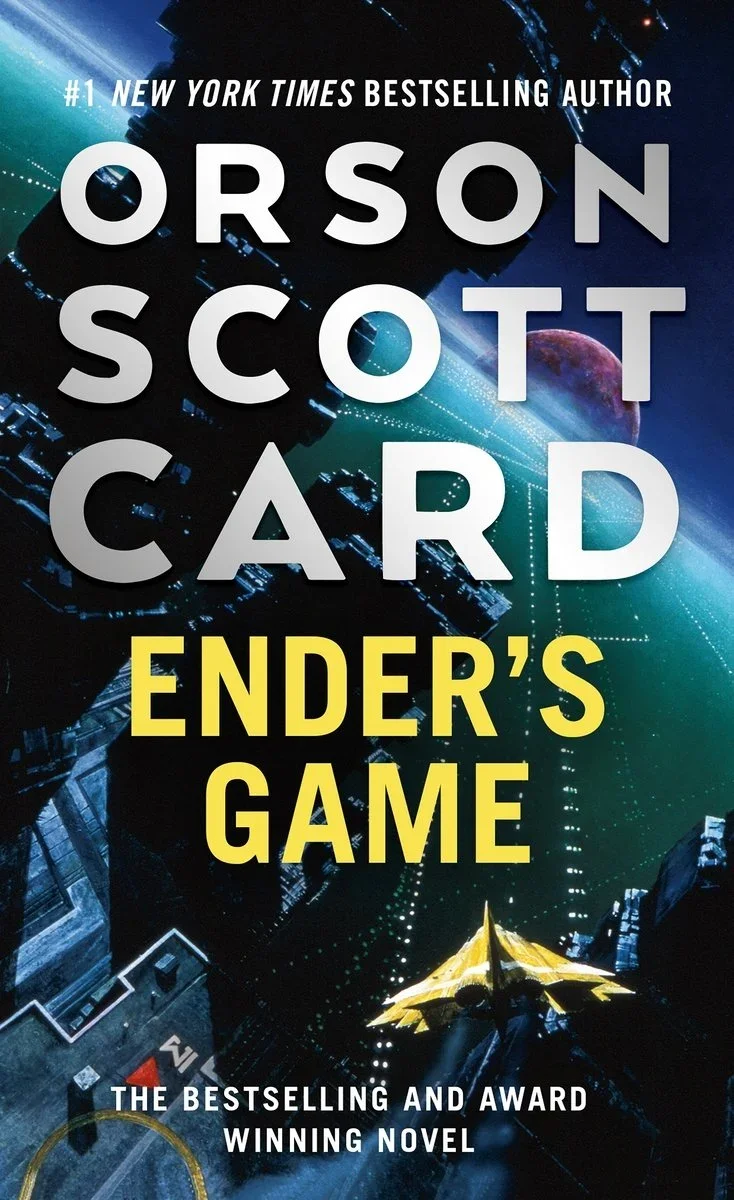
Ender's Game by Orson Scott Card
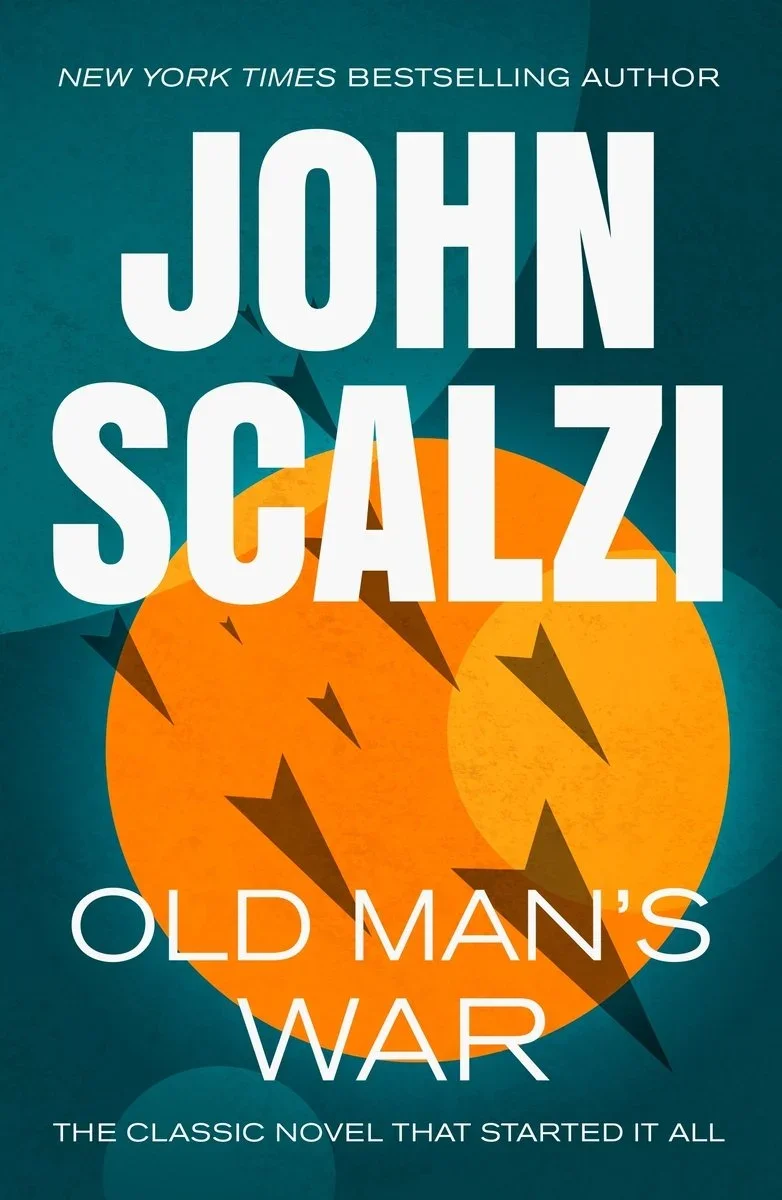
Old Man's War by John Scalzi
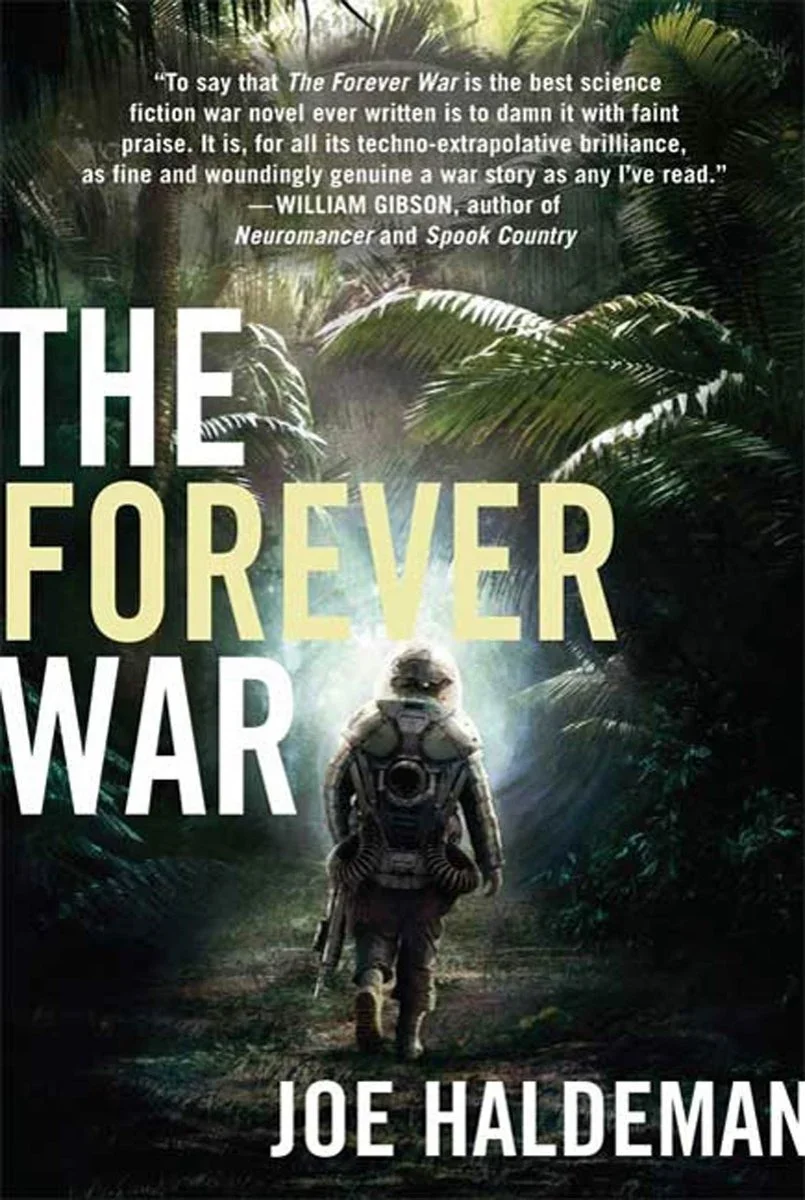
The Forever War by Joe Haldeman
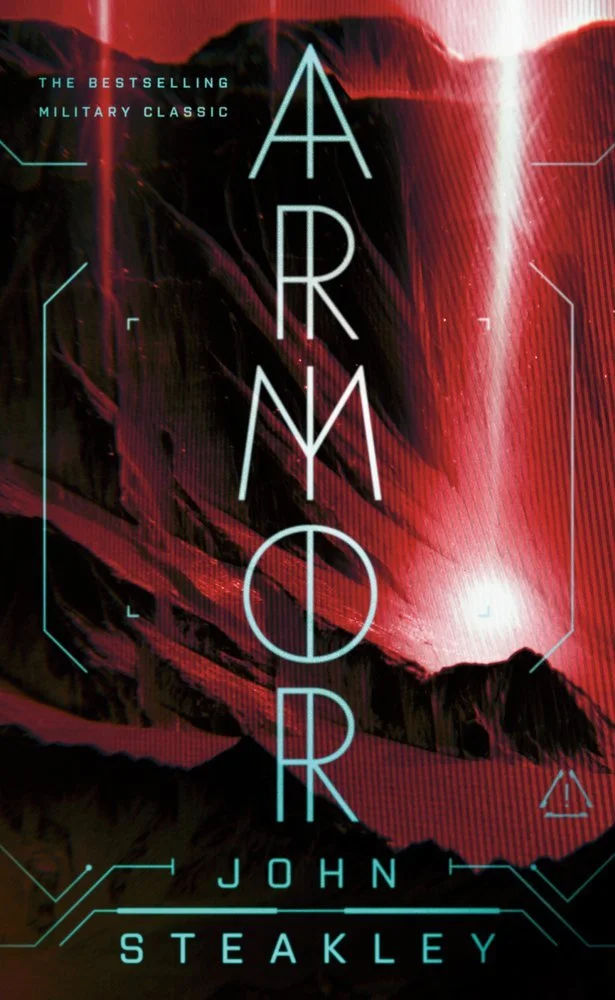
Armor by John Steakley
Terms of Enlistment by Marko Kloos
Hard Science Fiction
What Is It?
Hard sci-fi emphasizes scientific accuracy and realistic technology. Authors often build stories around real scientific principles and plausible future advancements.
Common Themes
Space exploration
Physics and engineering
Scientific problem-solving
Realistic future technologies
Recommended Books
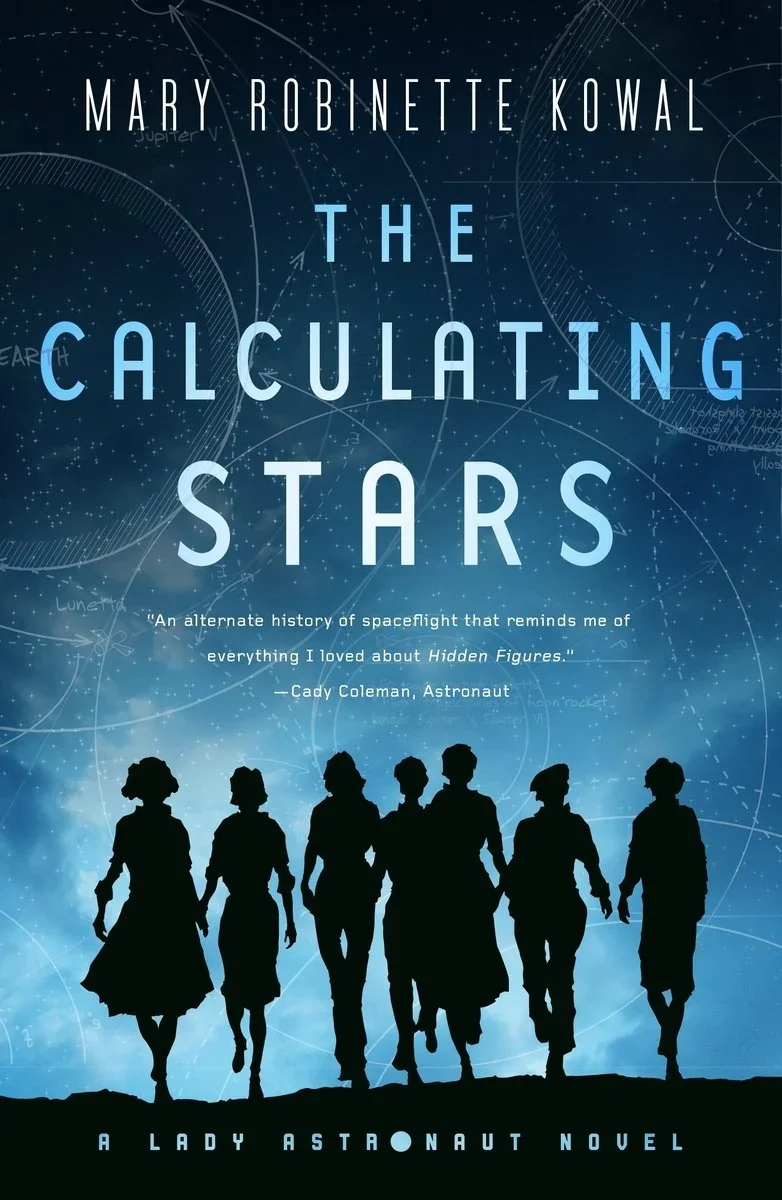
The Calculating Stars by Mary Robinette Kowal
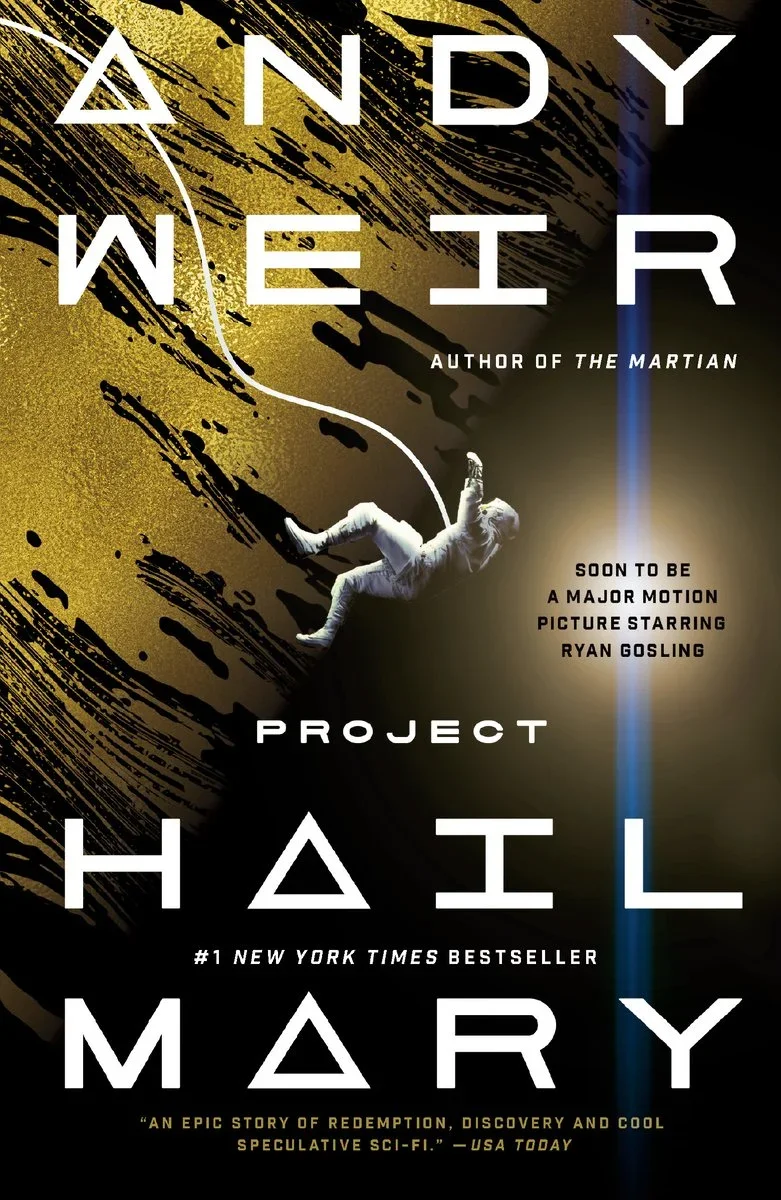
Project Hail Mary by Andy Weir
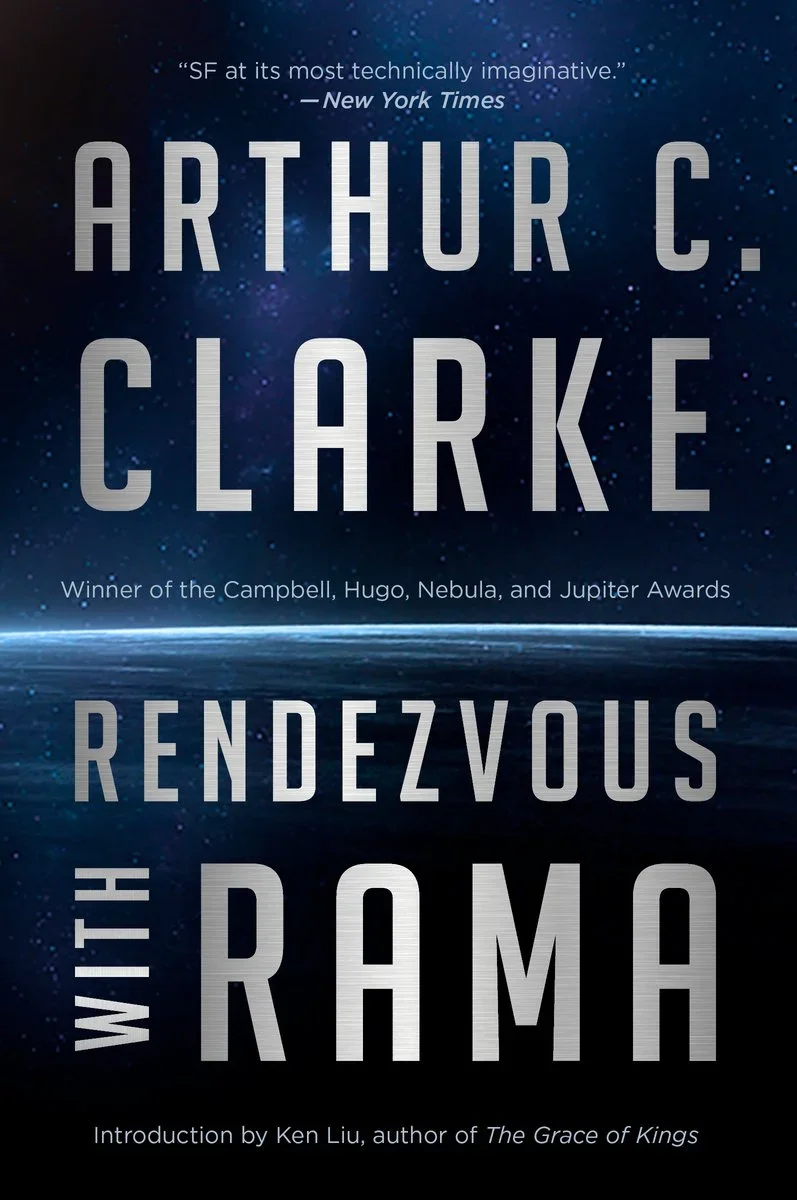
Rendezvous with Rama by Arthur C. Clarke
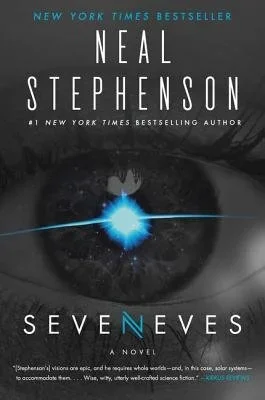
Seveneves by Neal Stephenson
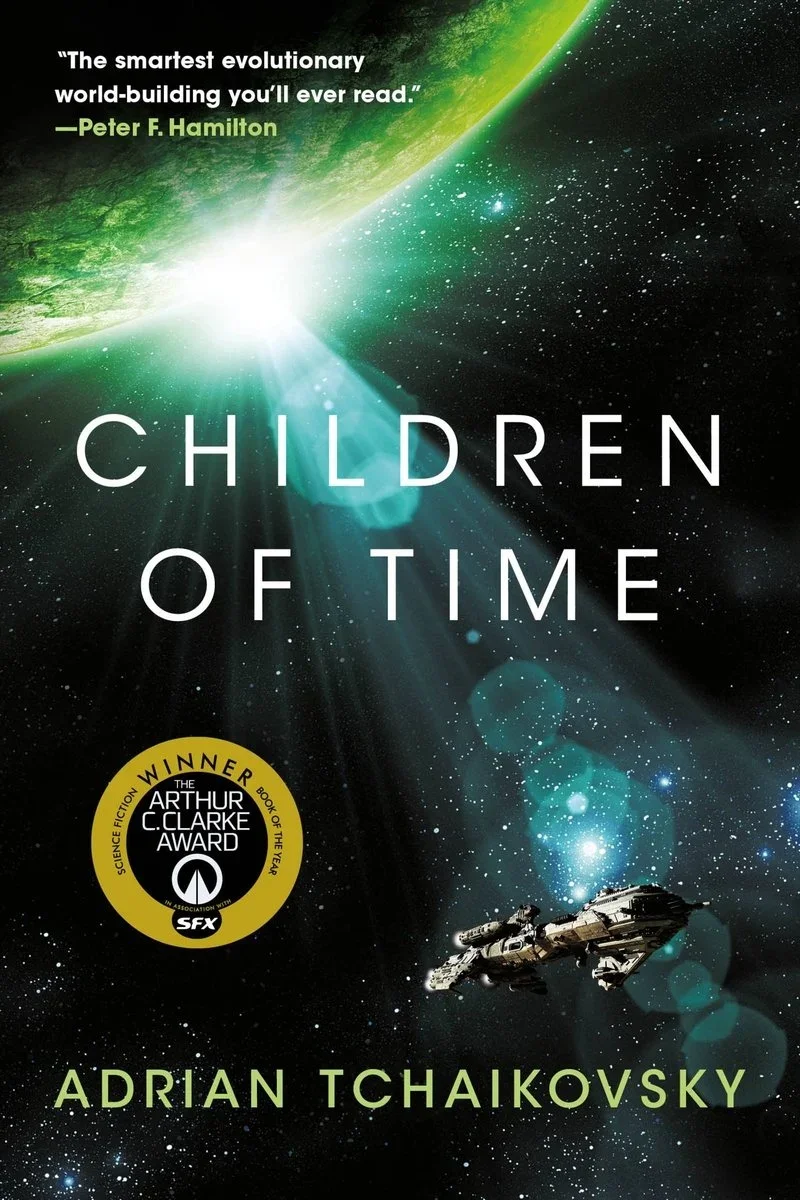
Children of Time by Adrian Tchaikovsky
Soft Science Fiction
What Is It?
Unlike hard sci-fi, soft sci-fi focuses more on people, culture, psychology, and social issues than scientific accuracy.
Common Themes
Human relationships
Society and culture
Politics
Philosophy
Identity
Recommended Books
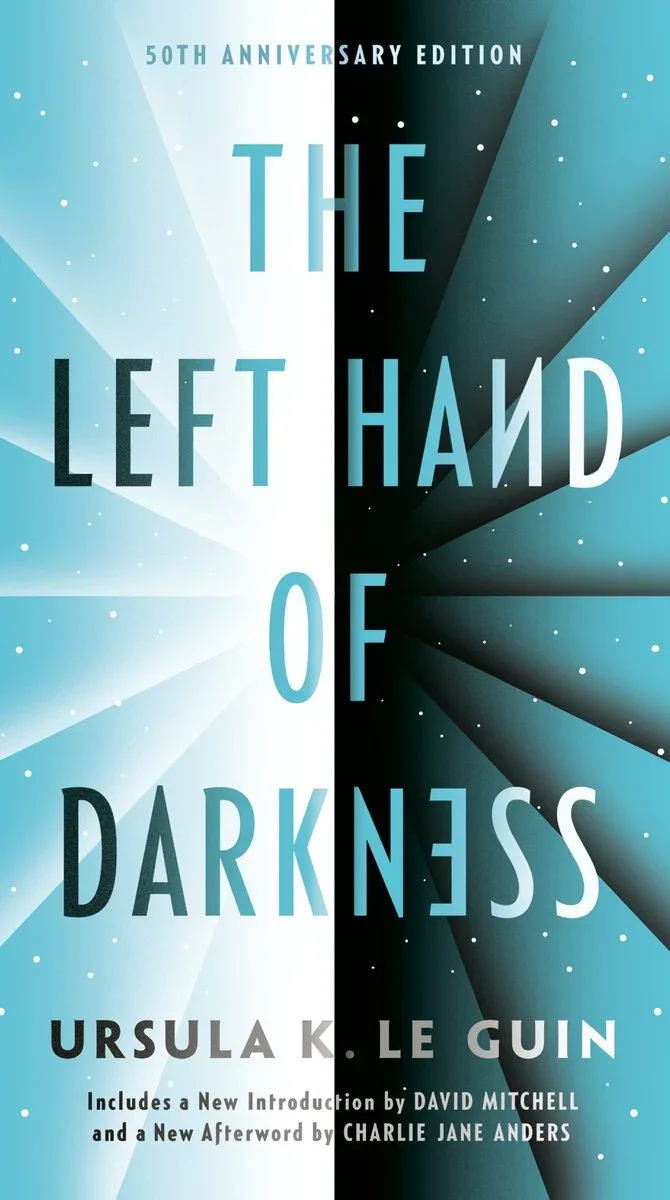
The Left Hand of Darkness by Ursula K. Le Guin
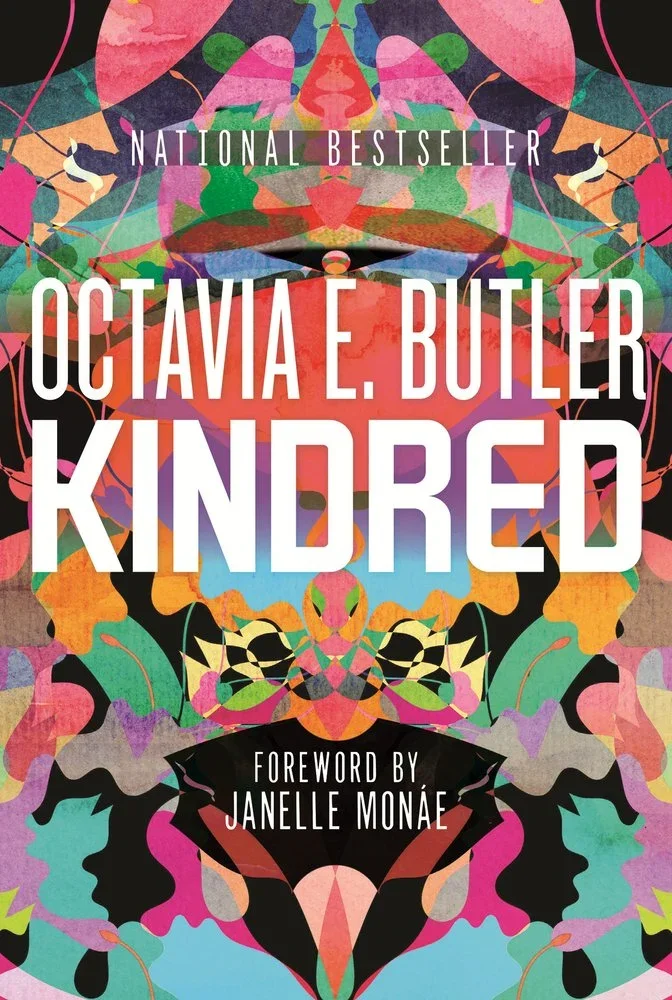
Kindred by Octavia E. Butler
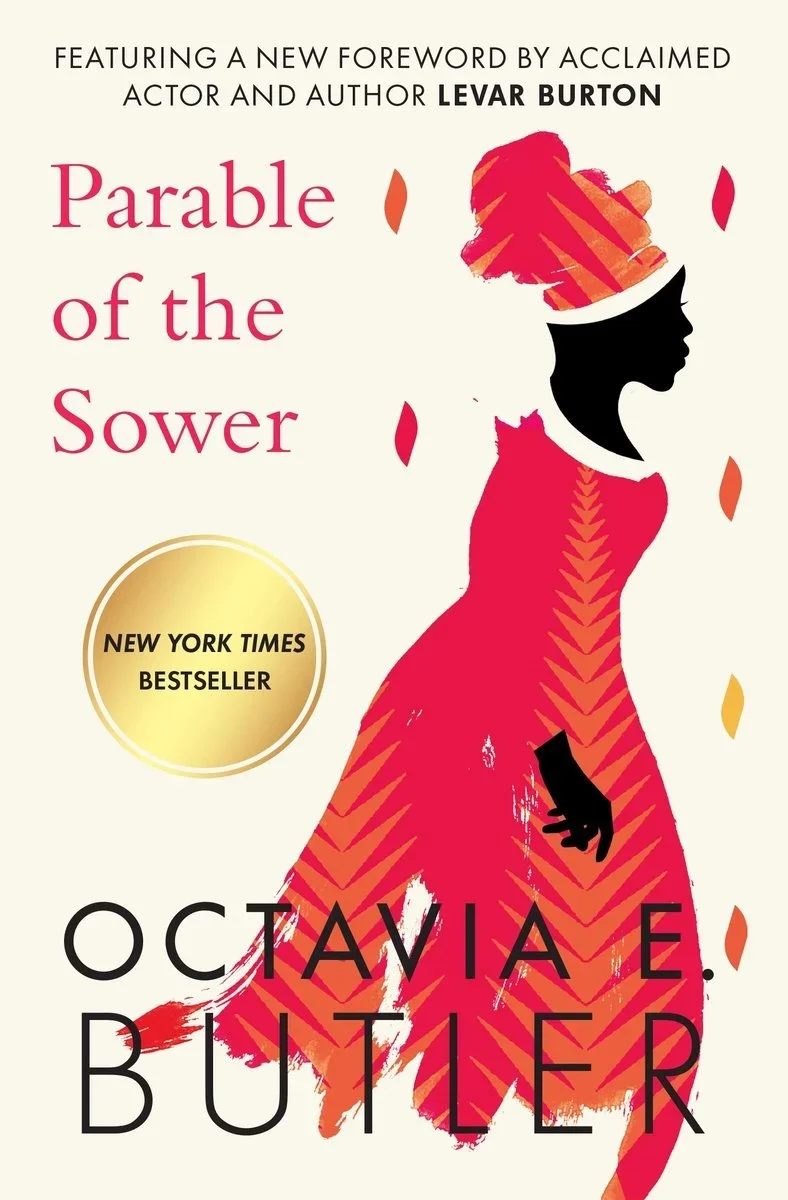
Parable of the Sower by Octavia E. Butler
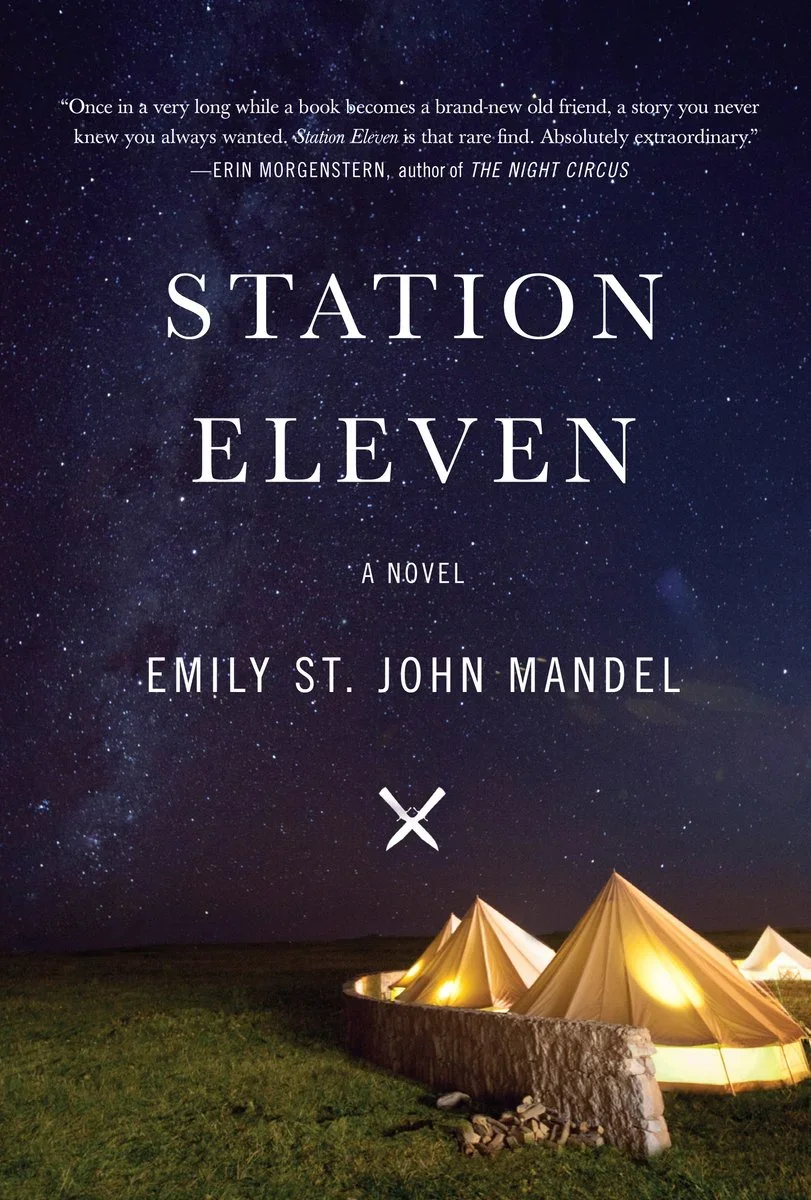
Station Eleven by Emily St. John Mandel
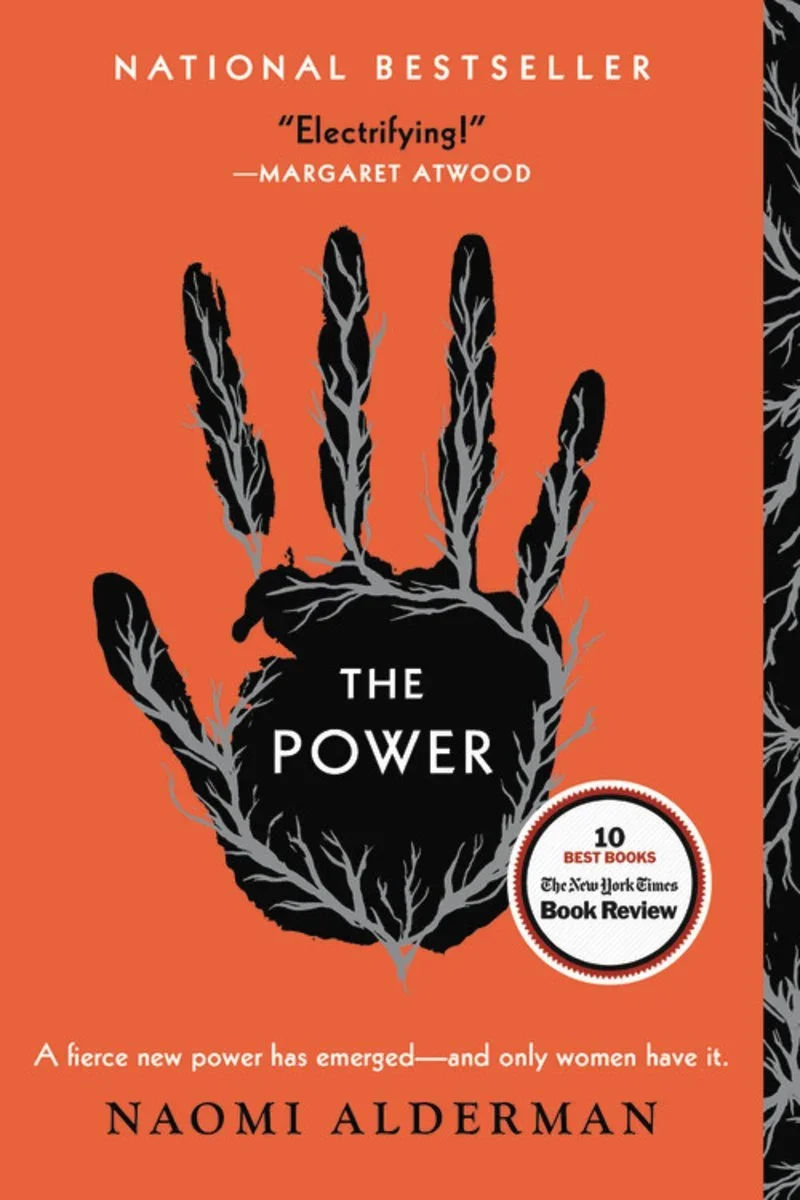
The Power by Naomi Alderman
Dystopian Science Fiction
What Is It?
Dystopian sci-fi imagines societies where governments, corporations, technology, or social systems have created oppressive conditions.
Common Themes
Authoritarian governments
Social control
Surveillance
Rebellion
Loss of freedom
Recommended Books
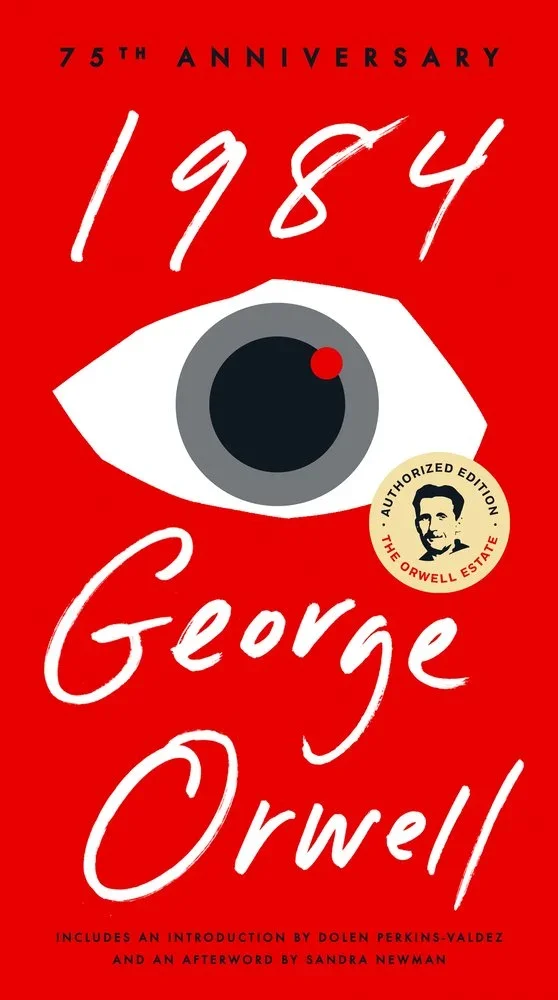
1984 by George Orwell
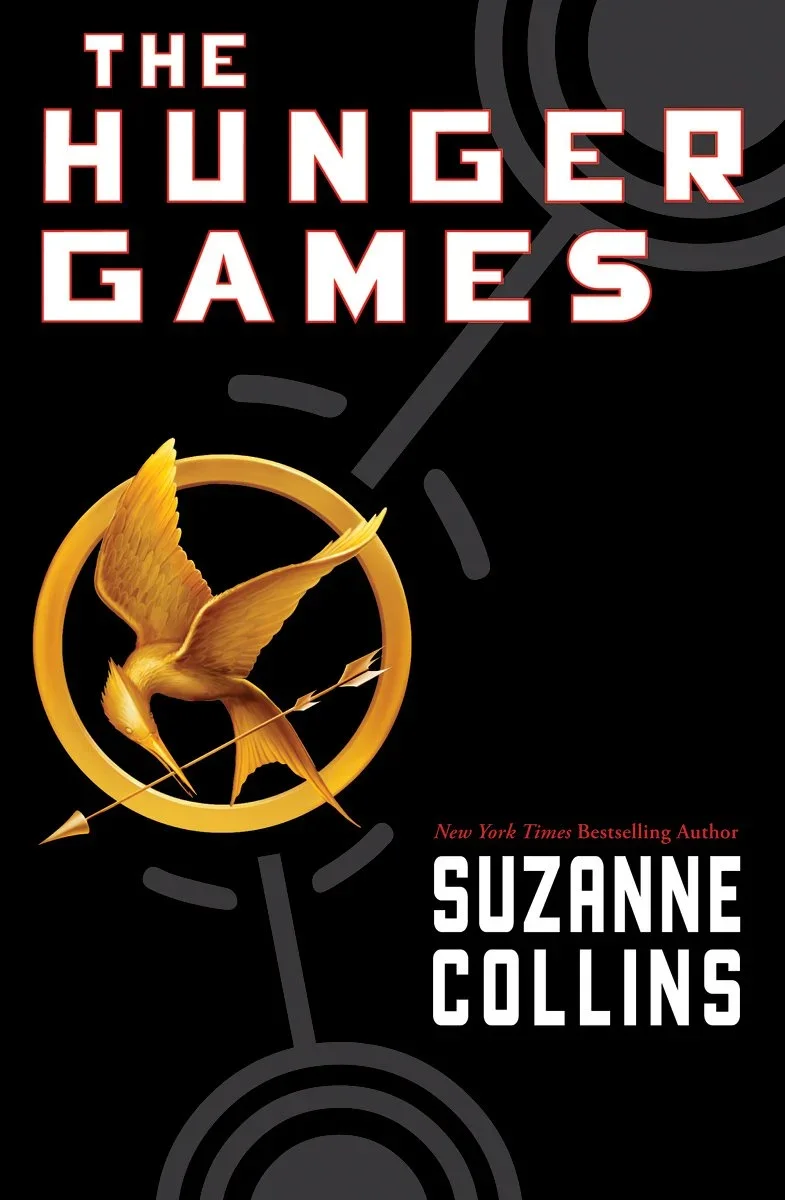
The Hunger Games by Suzanne Collins
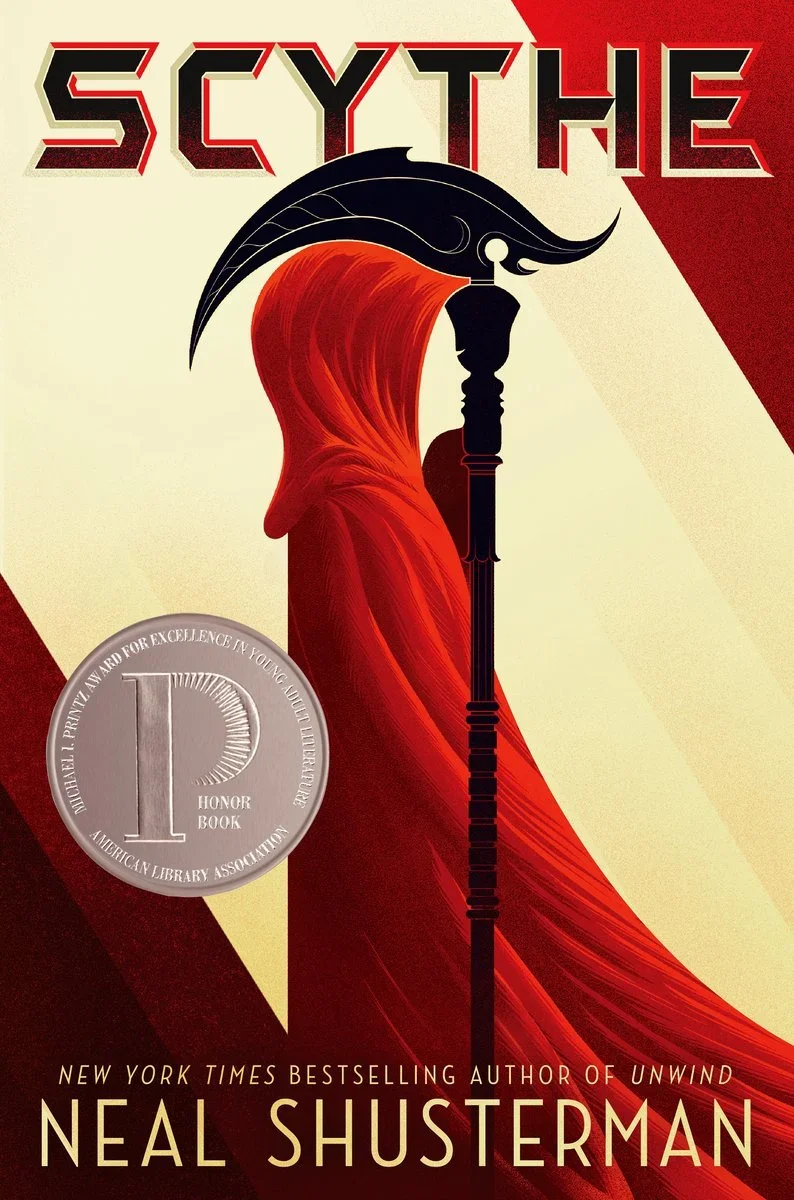
Scythe by Neal Shusterman
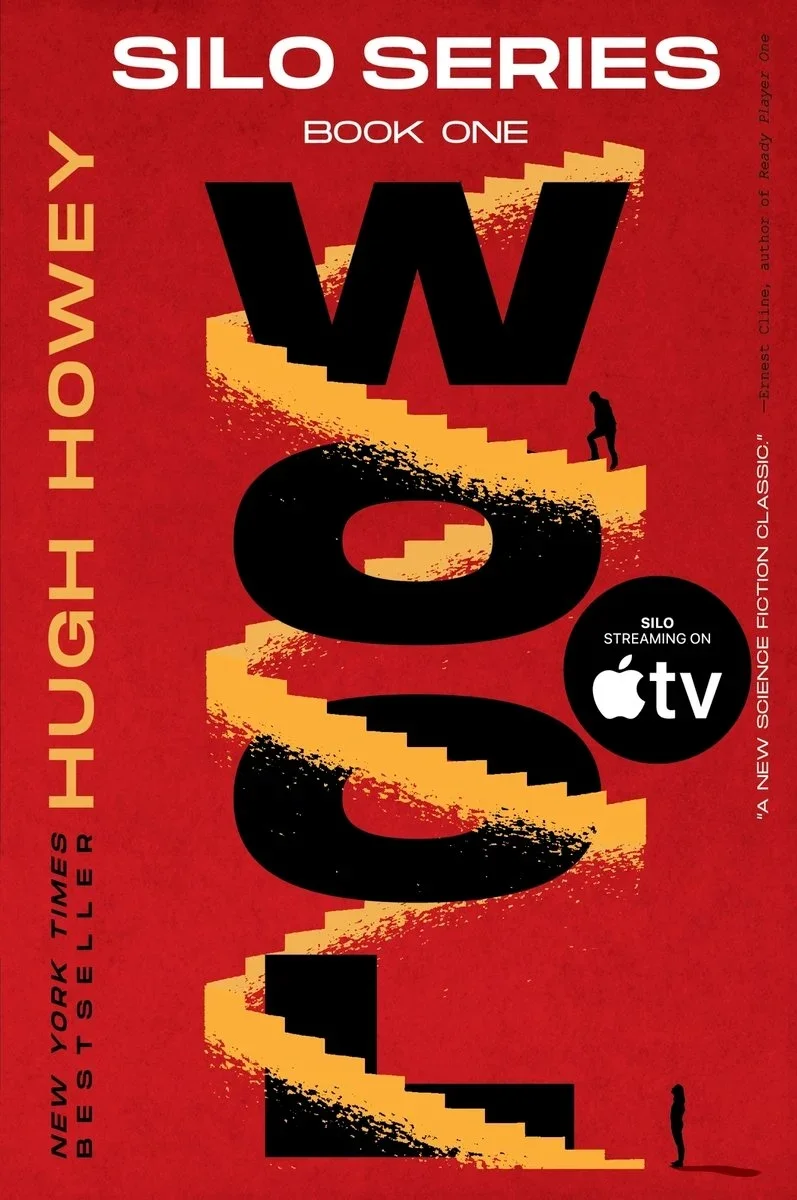
Wool by Hugh Howey
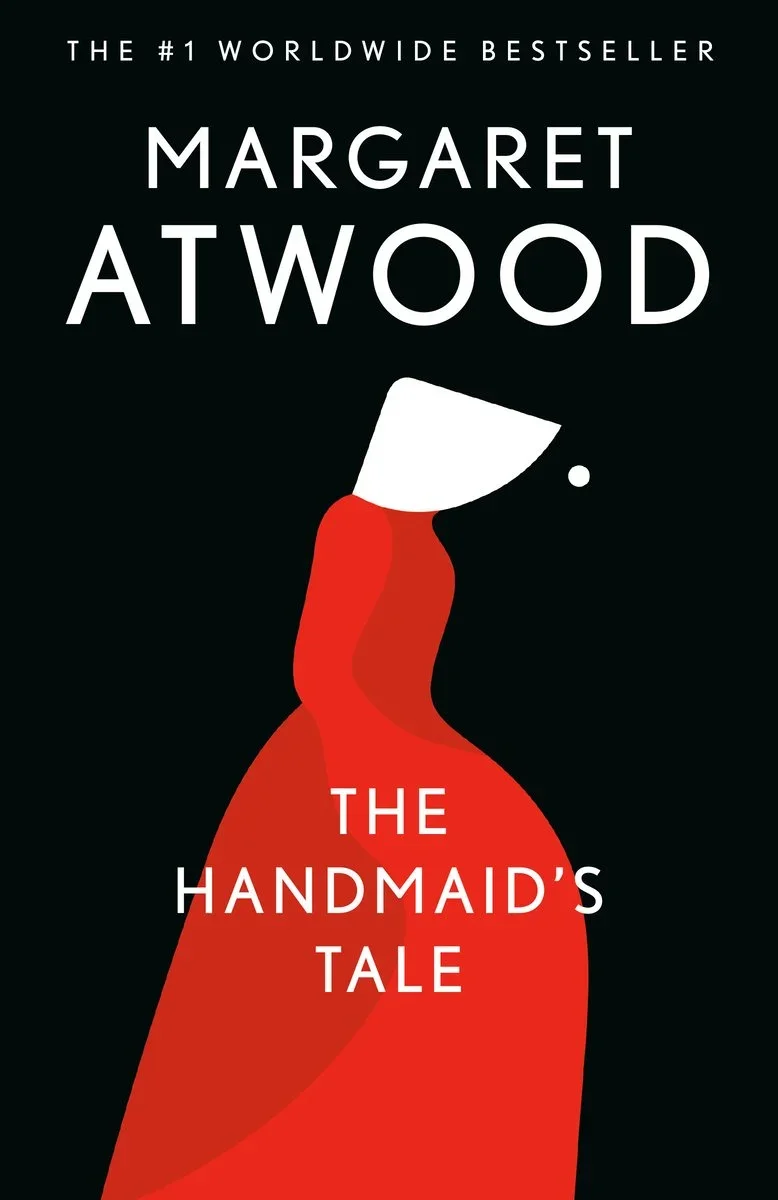
The Handmaid's Tale by Margaret Atwood
Post-Apocalyptic Science Fiction
What Is It?
These stories take place after civilization has collapsed due to war, pandemics, climate disasters, or other catastrophic events.
Common Themes
Survival
Rebuilding society
Human resilience
Scarcity of resources
Community
Recommended Books
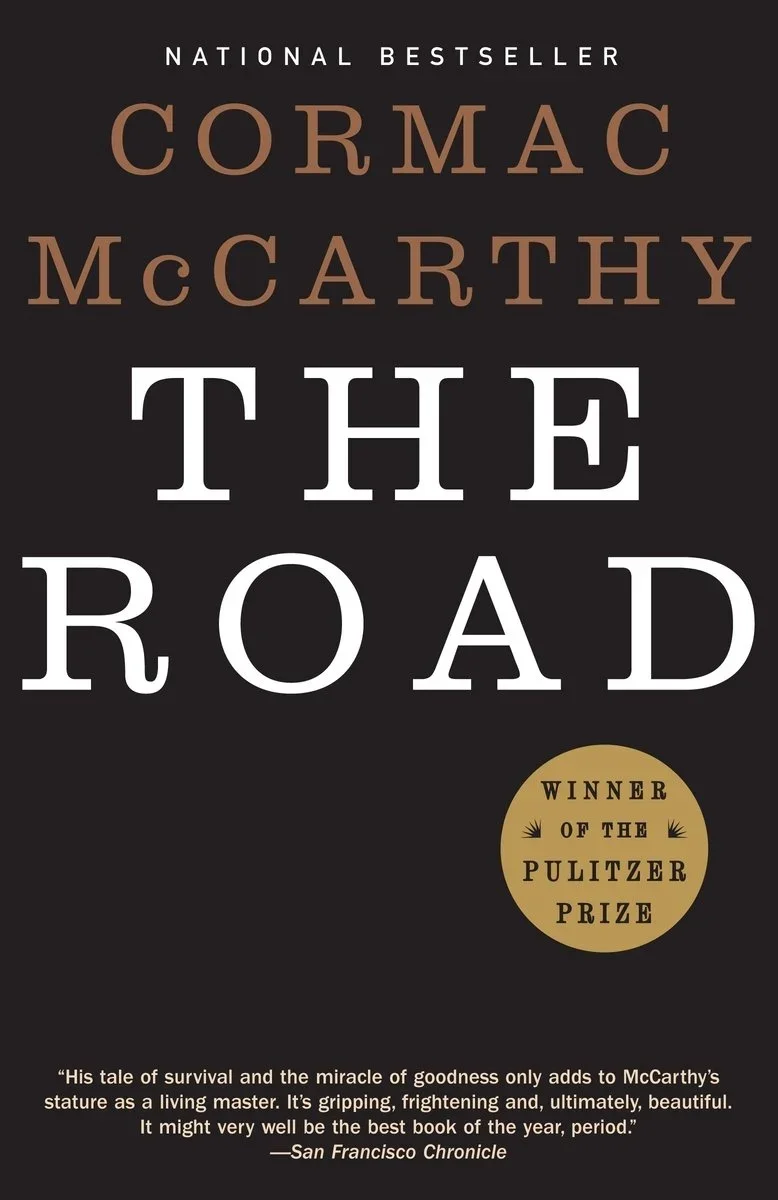
The Road by Cormac McCarthy
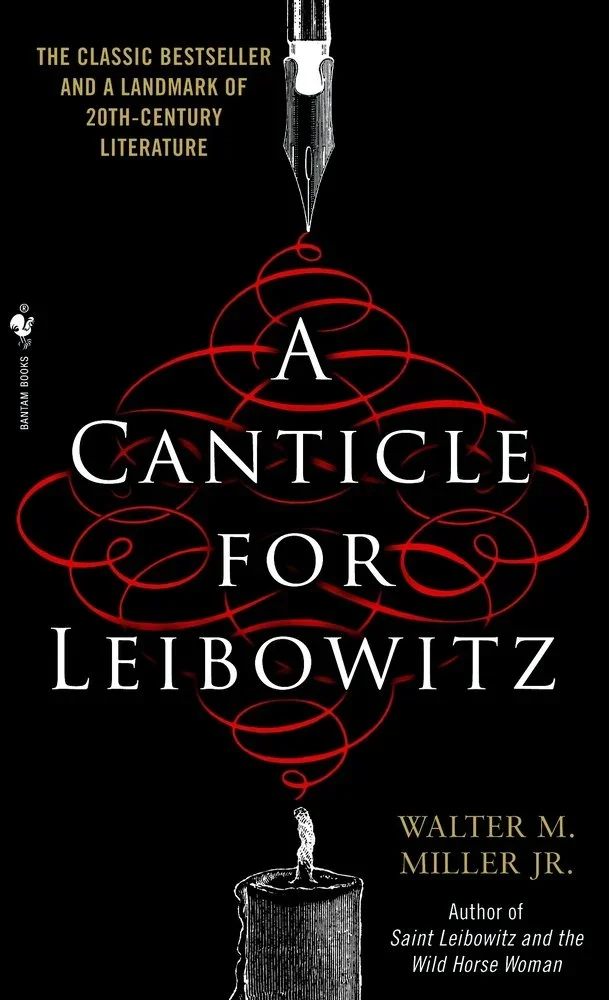
A Canticle for Leibowitz by Walter M. Miller Jr.
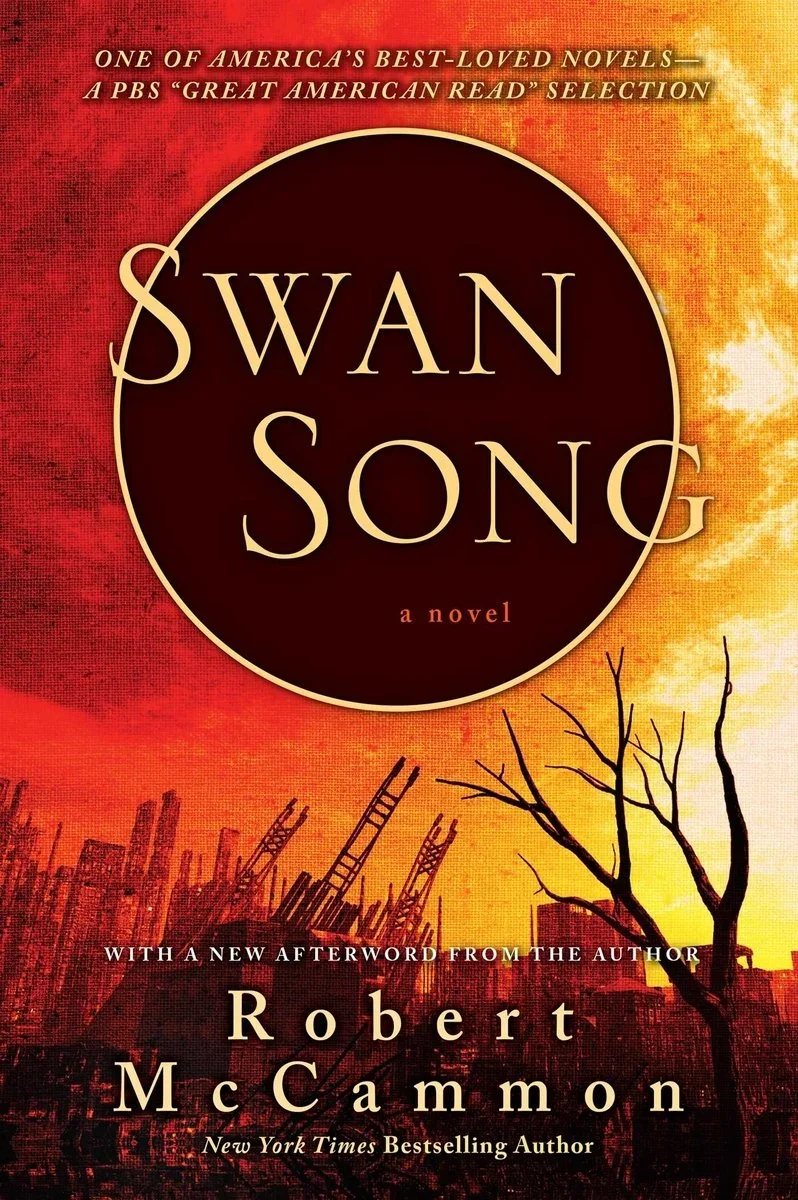
Swan Song by Robert McCammon
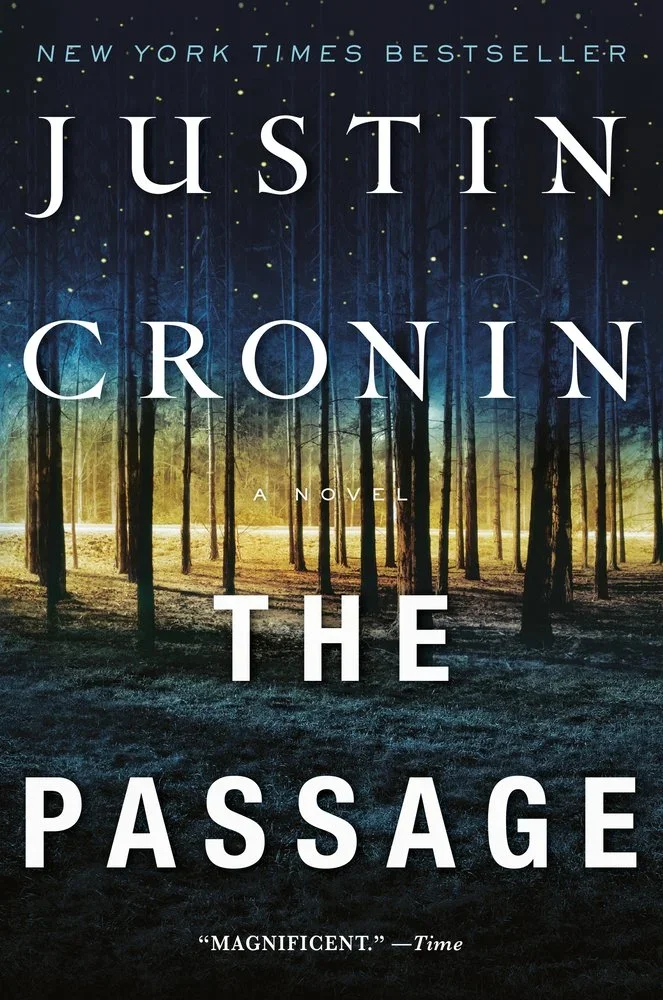
The Passage by Justin Cronin
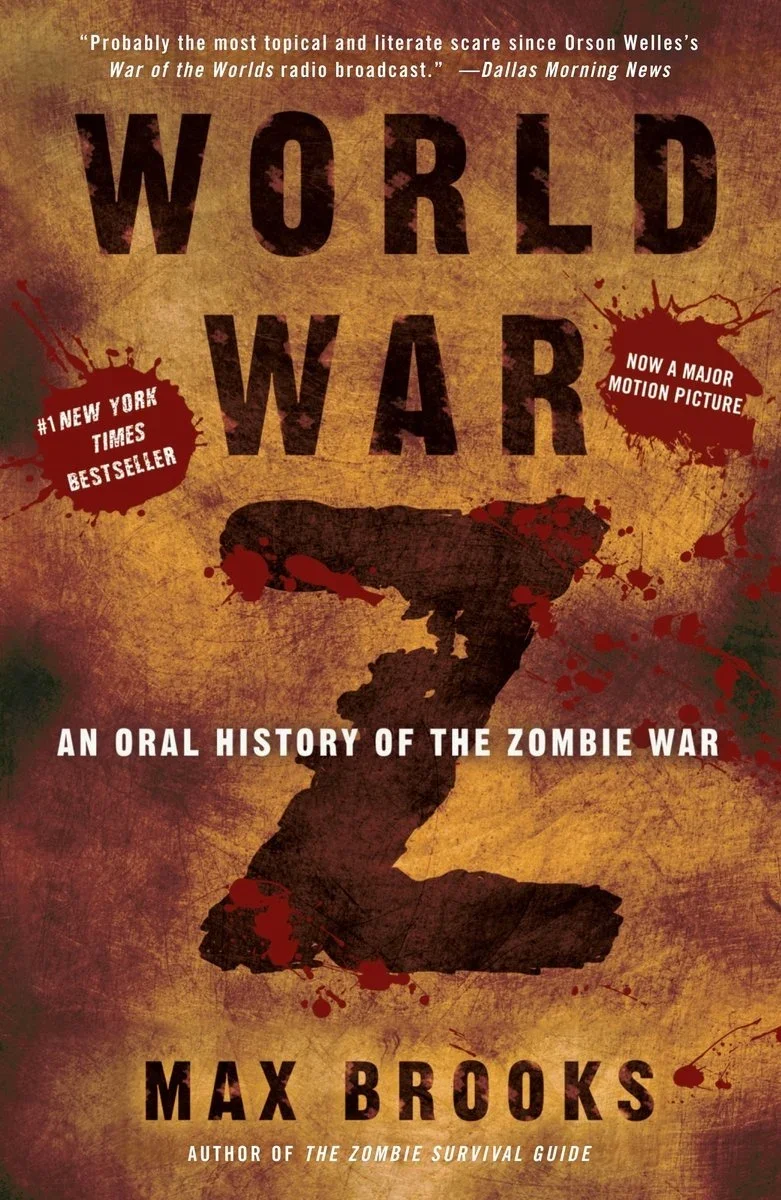
World War Z by Max Brooks
First Contact Science Fiction
What Is It?
First contact stories explore humanity's initial encounter with alien life. The focus is often on communication, culture, and understanding the unknown.
Common Themes
Alien civilizations
Communication barriers
Diplomacy
Exploration
Humanity's place in the universe
Recommended Books
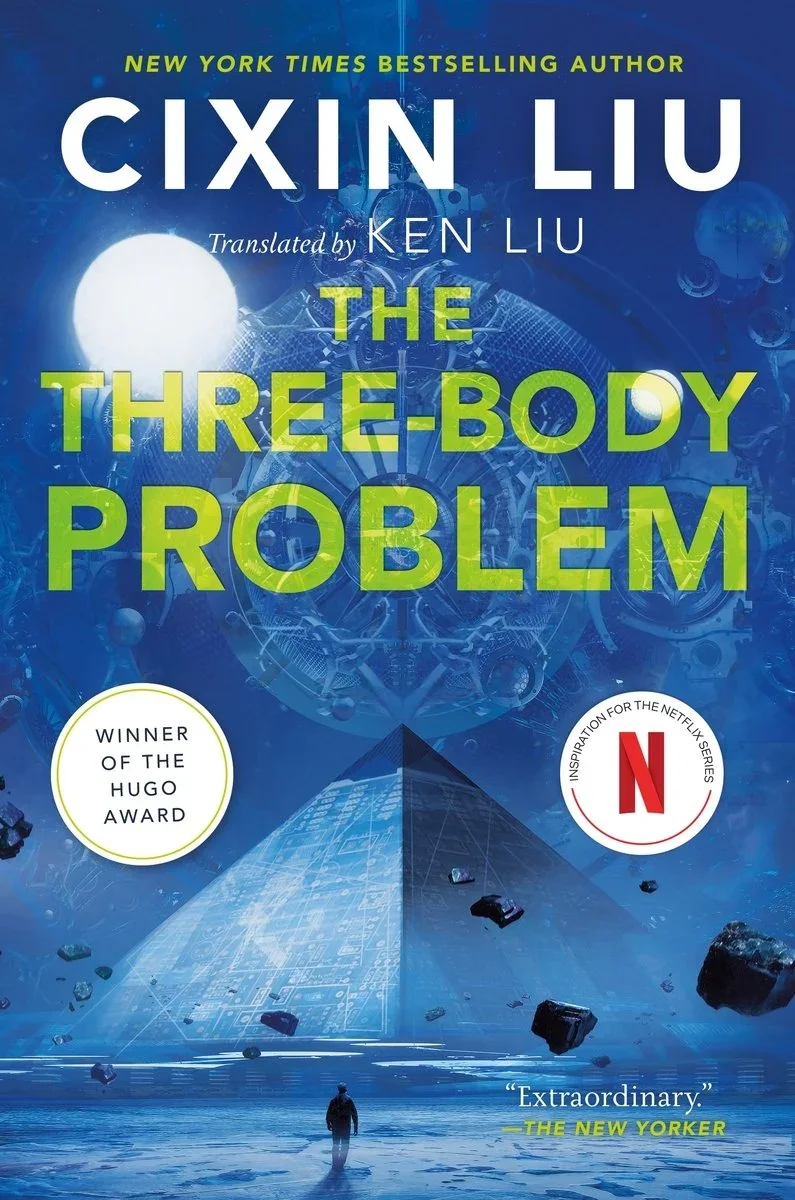
The Three-Body Problem by Liu Cixin
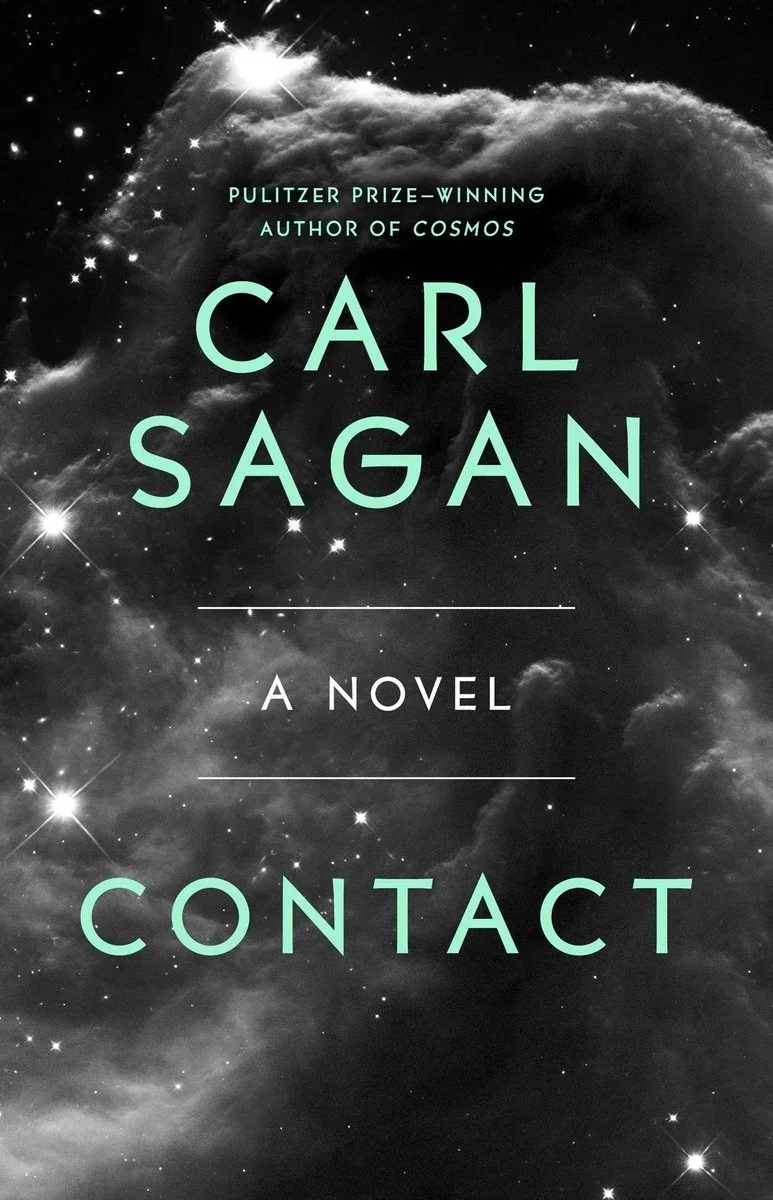
Contact by Carl Sagan
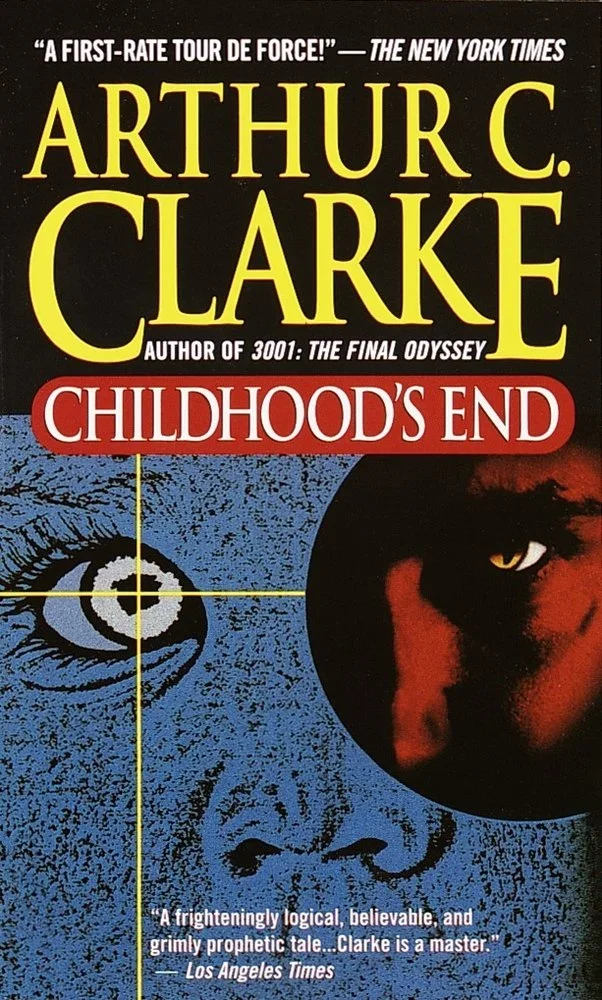
Childhood's End by Arthur C. Clarke
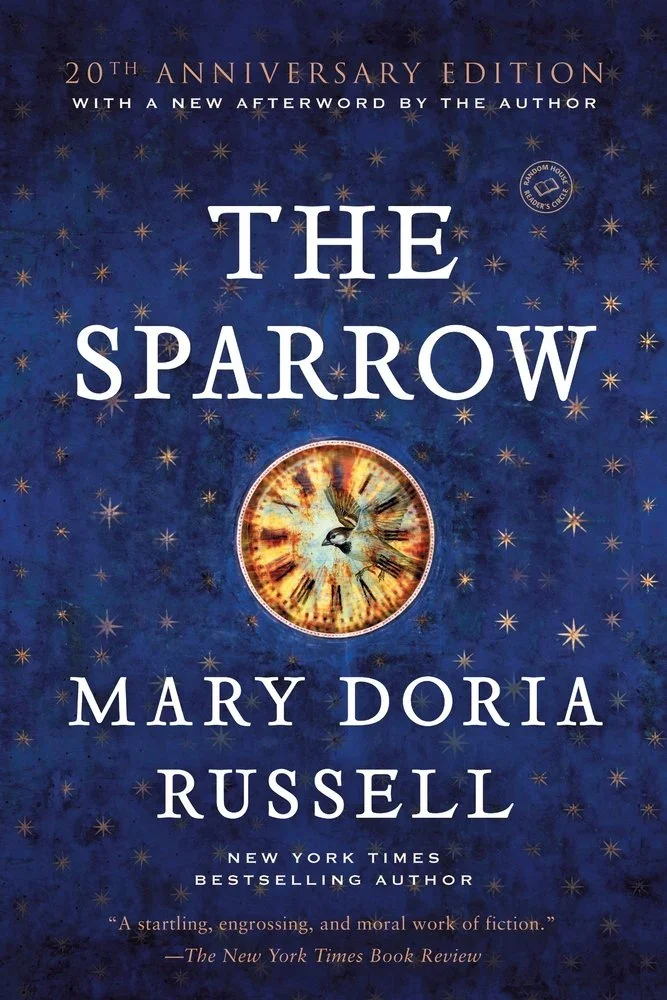
The Sparrow by Mary Doria Russell
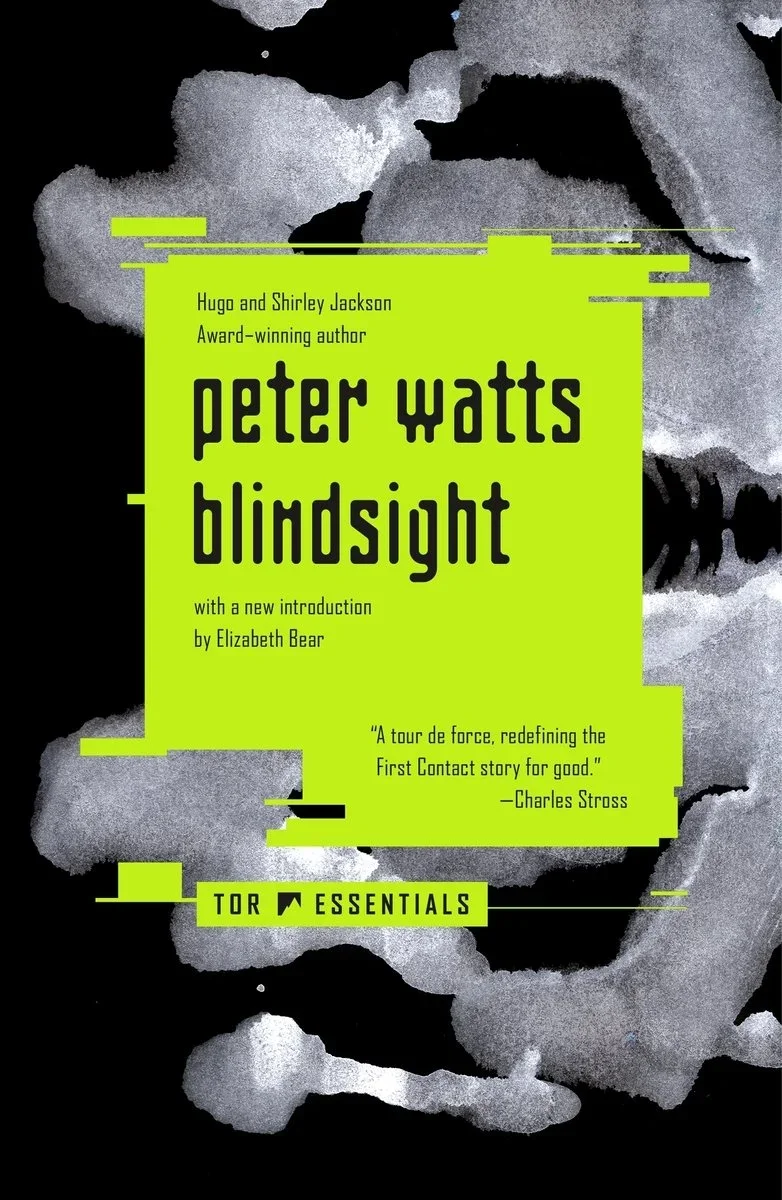
Blindsight by Peter Watts
Time Travel Science Fiction
What Is It?
Time travel sci-fi explores the consequences of moving through time, altering history, and confronting paradoxes.
Common Themes
Alternate timelines
Fate versus free will
Historical exploration
Cause and effect
Temporal paradoxes
Recommended Books
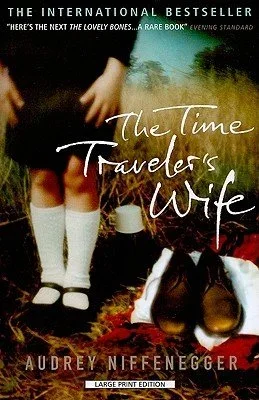
The Time Traveler's Wife by Audrey Niffenegger
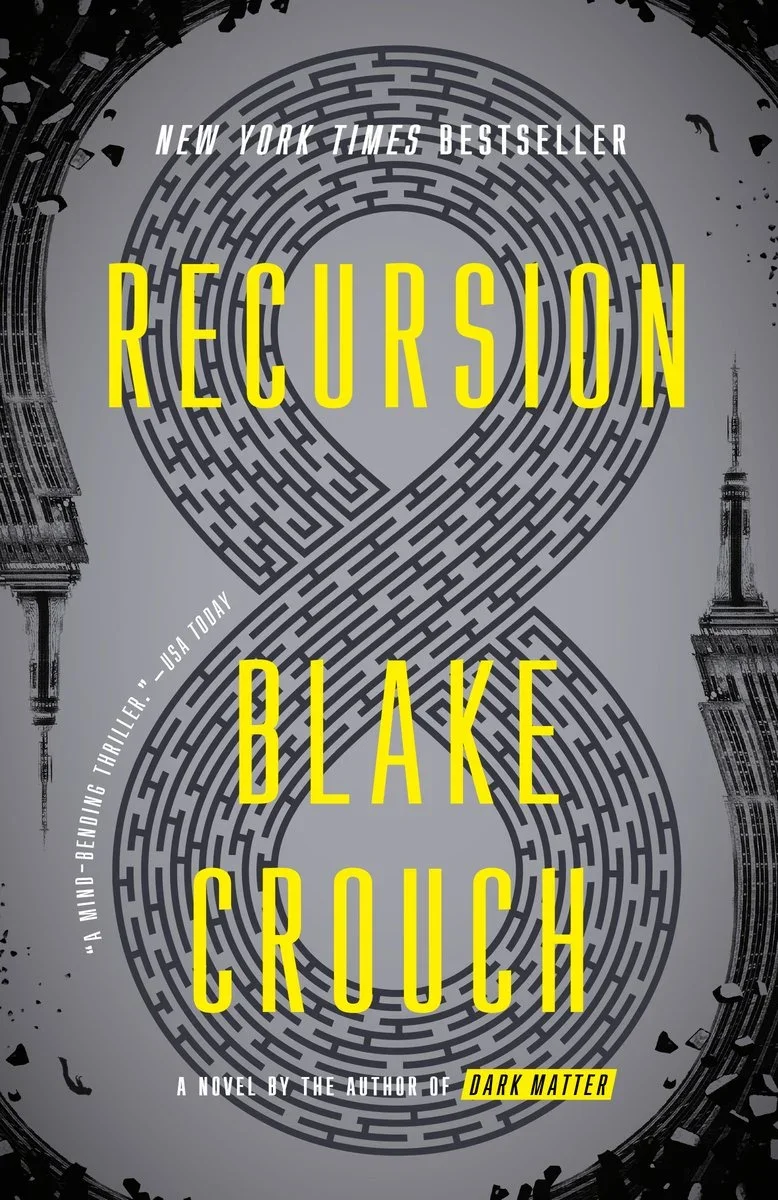
Recursion by Blake Crouch
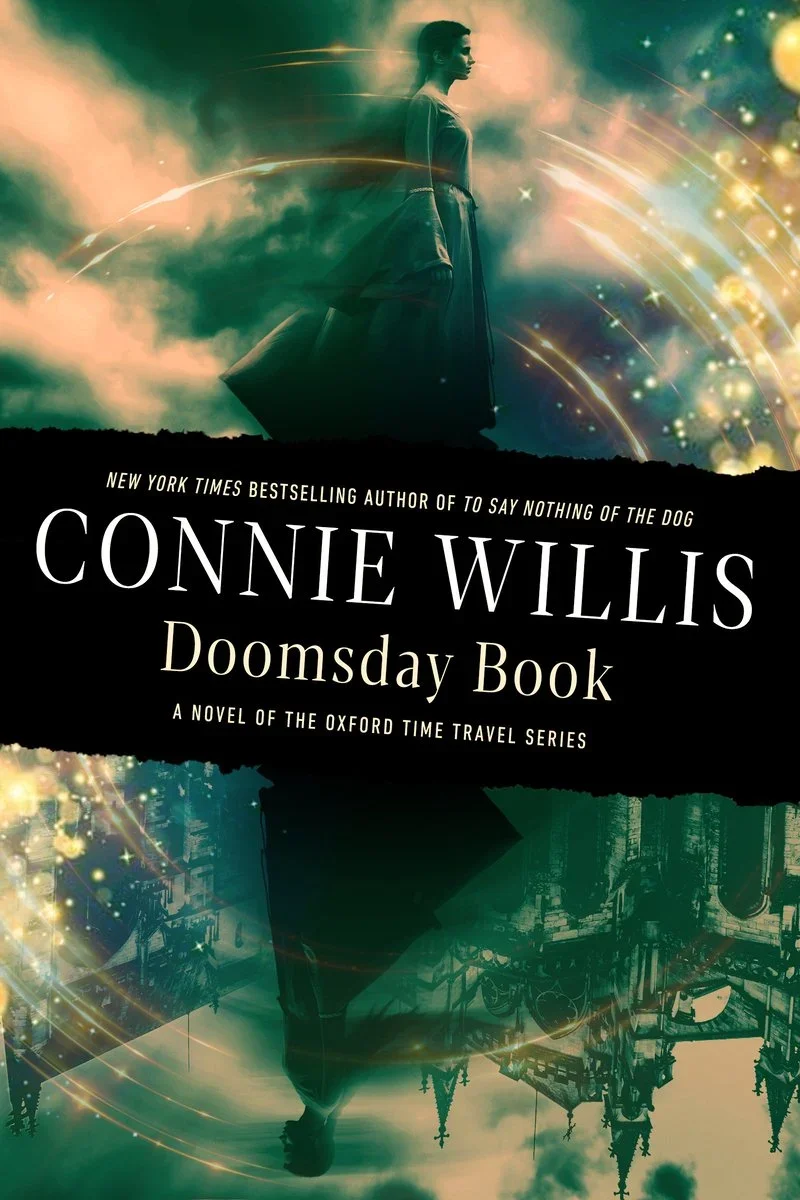
Doomsday Book by Connie Willis
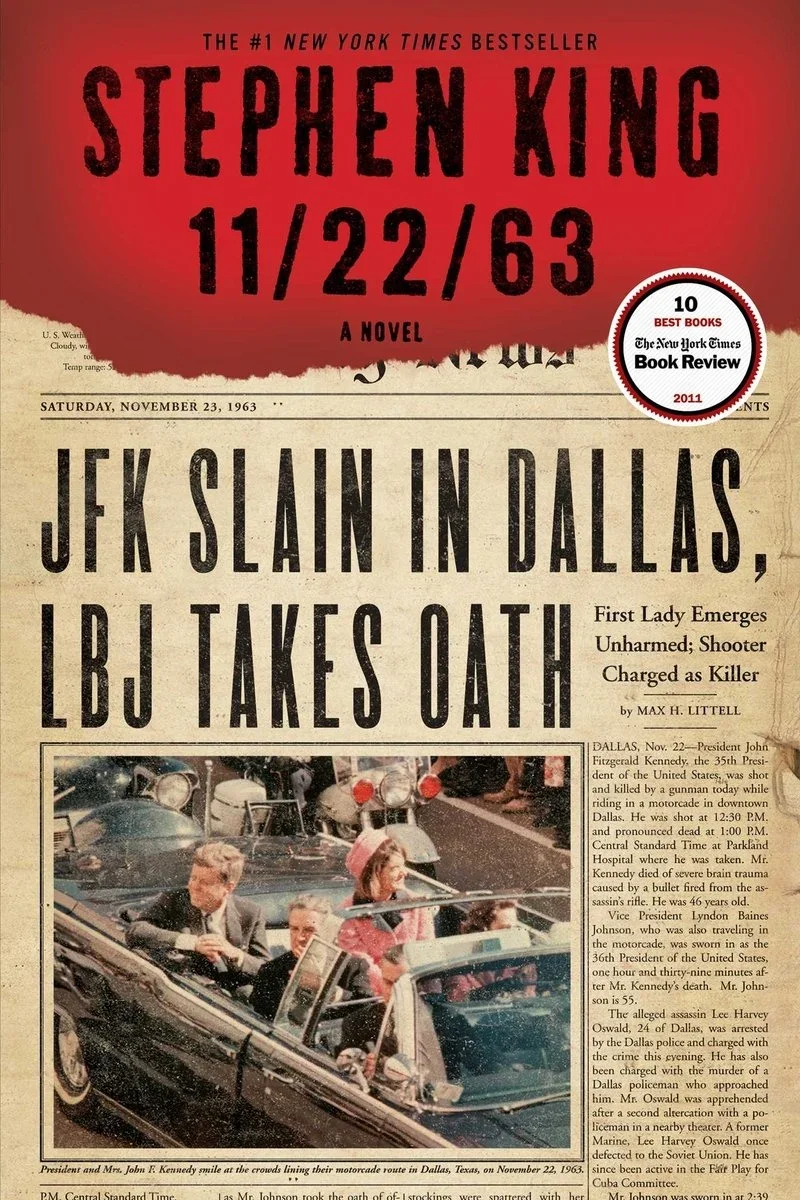
11/22/63 by Stephen King
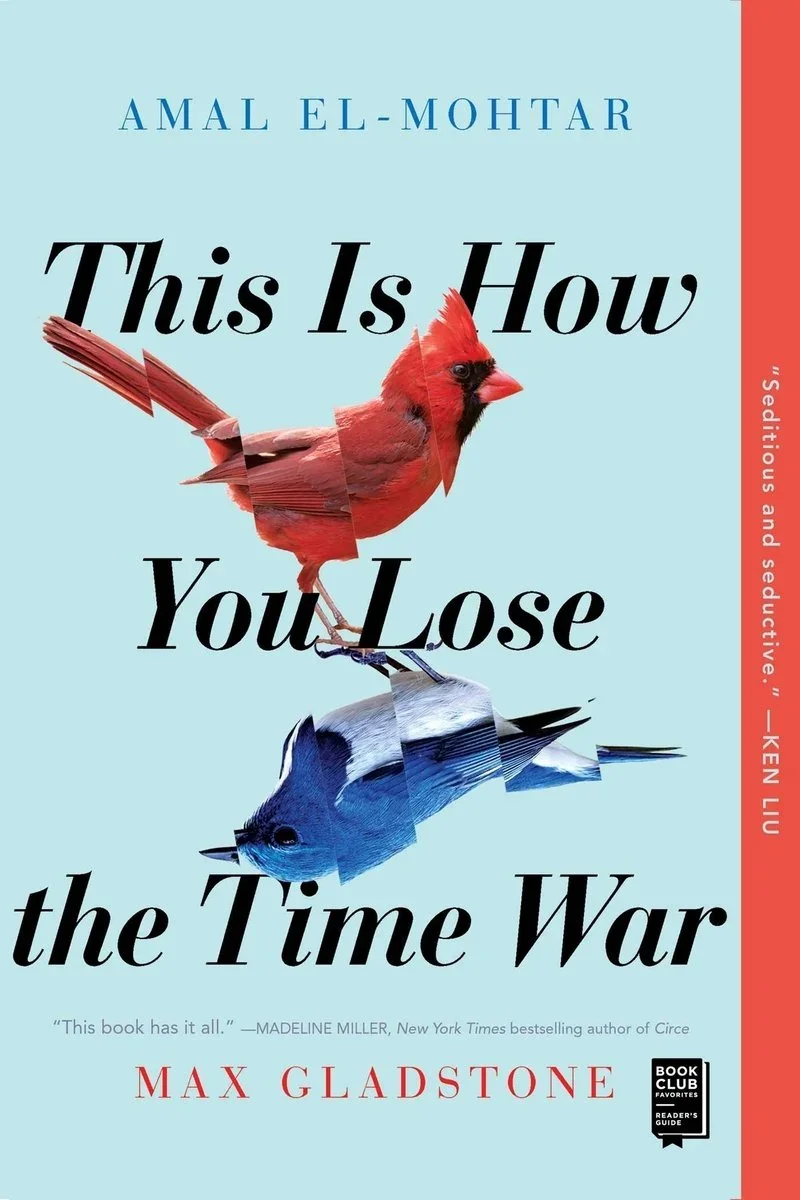
This Is How You Lose the Time War by Amal El-Mohtar and Max Gladstone
Climate Fiction (Cli-Fi)
What Is It?
Climate fiction examines the effects of climate change and environmental collapse on humanity and the planet.
Common Themes
Environmental disaster
Sustainability
Adaptation
Human impact on nature
Future ecosystems
Recommended Books
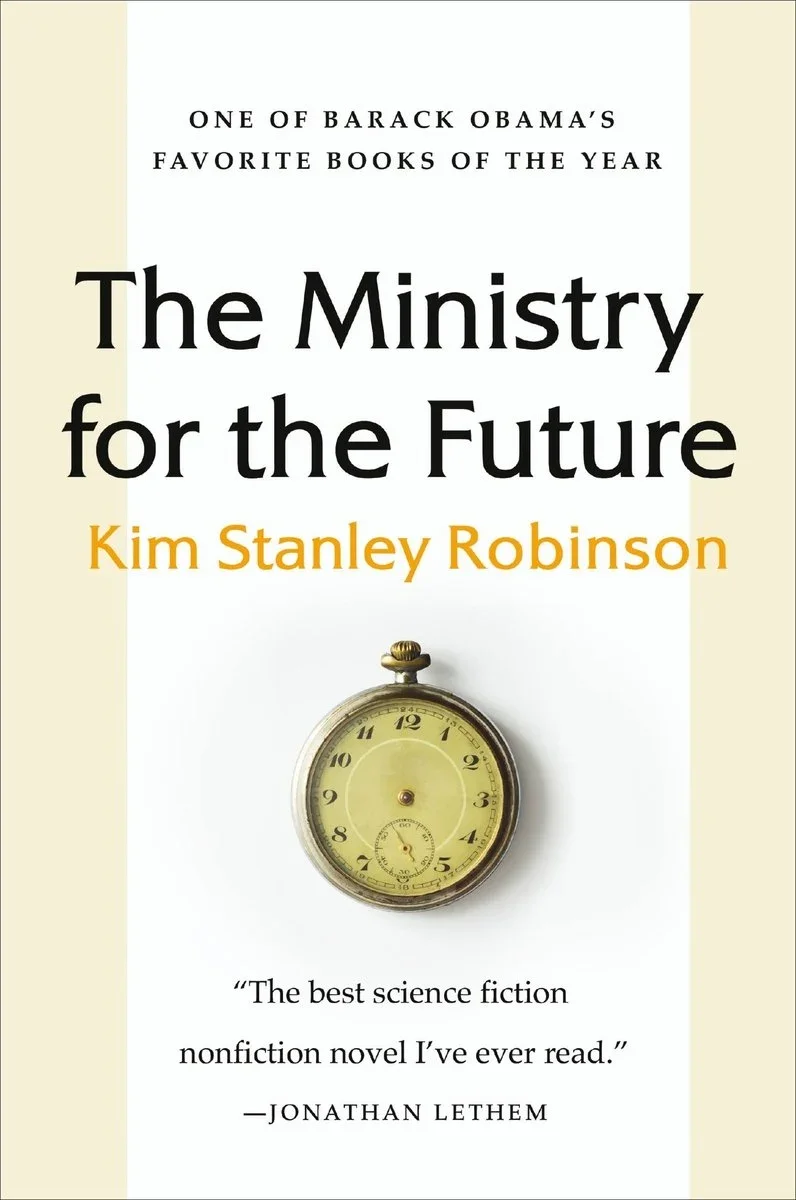
The Ministry for the Future by Kim Stanley Robinson
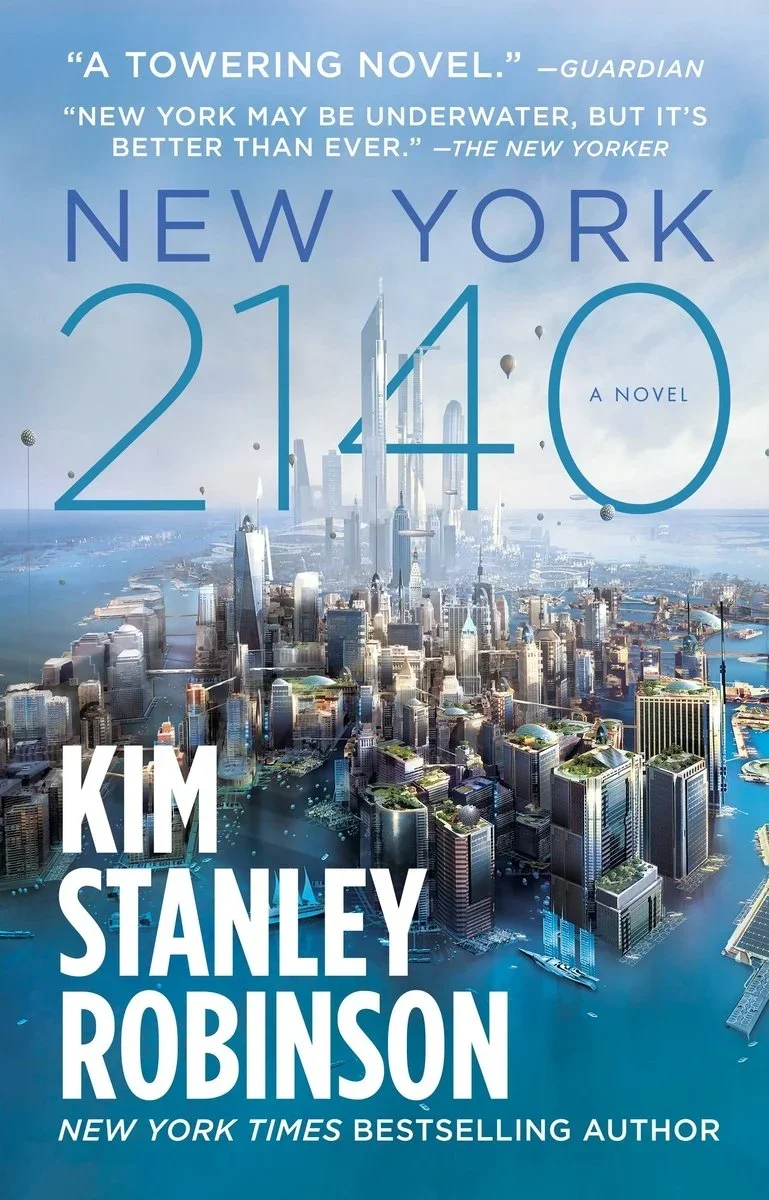
New York 2140 by Kim Stanley Robinson
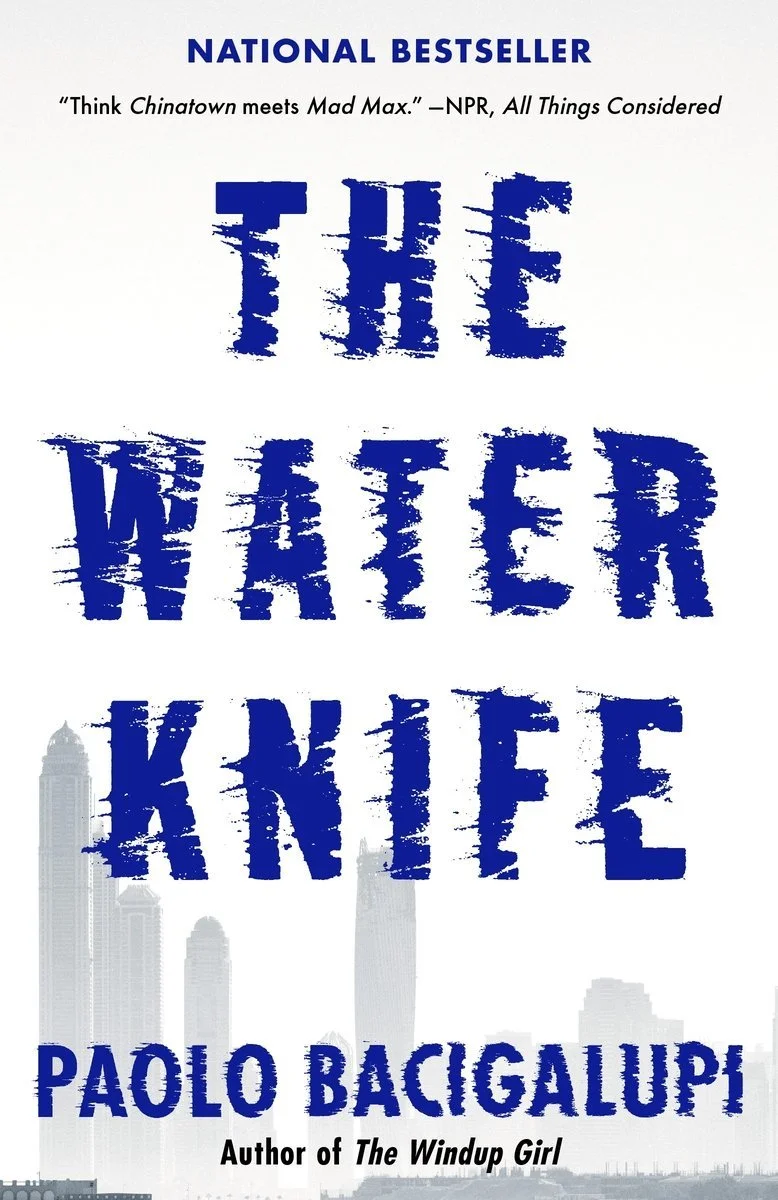
The Water Knife by Paolo Bacigalupi
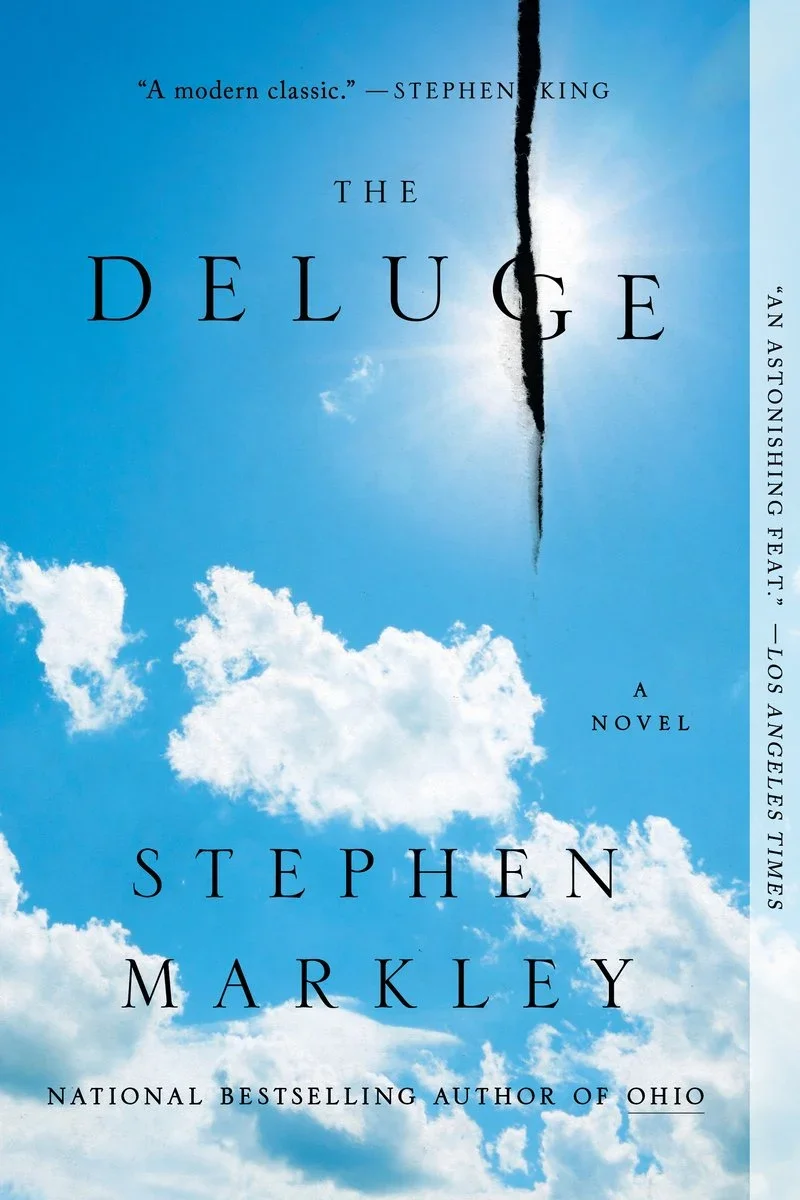
The Deluge by Stephen Markley
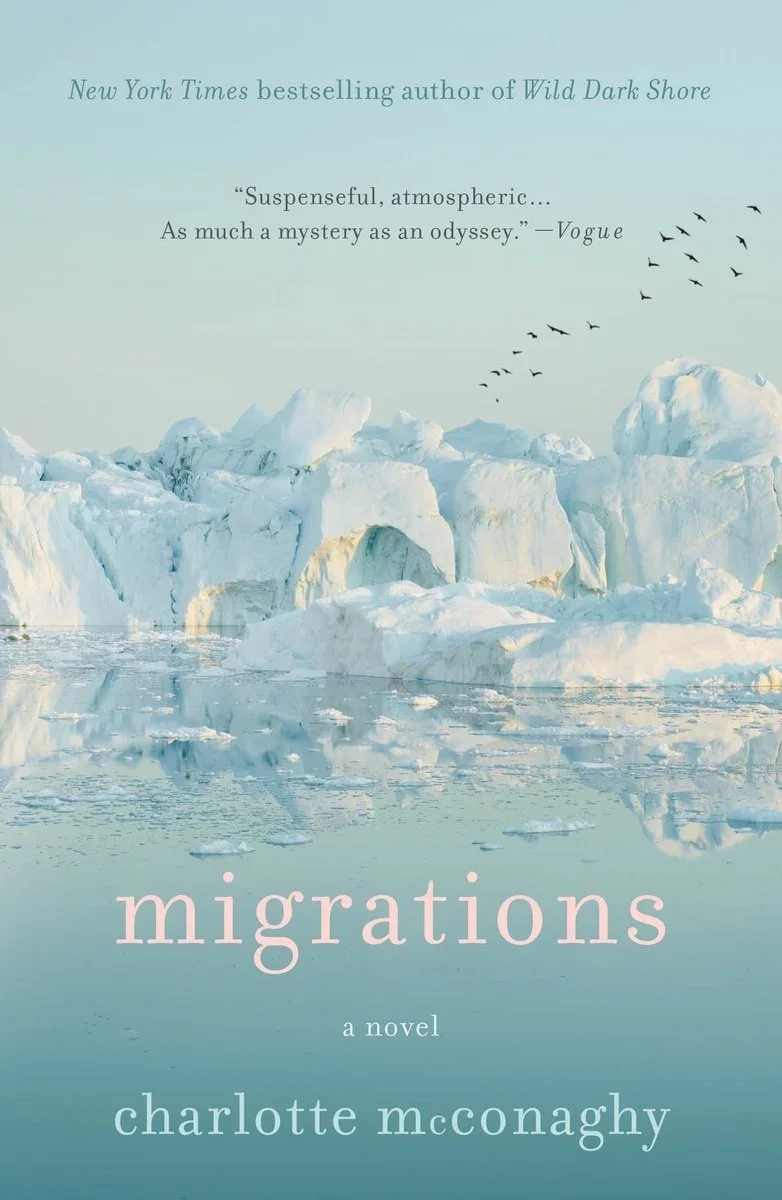
Migrations by Charlotte McConaghy
Science Fantasy
What Is It?
Science fantasy blends elements of science fiction and fantasy. Advanced technology may coexist with magic, mythical creatures, or supernatural forces.
Common Themes
Magic and technology
Mythology
Epic quests
Alternate worlds
Destiny
Recommended Books
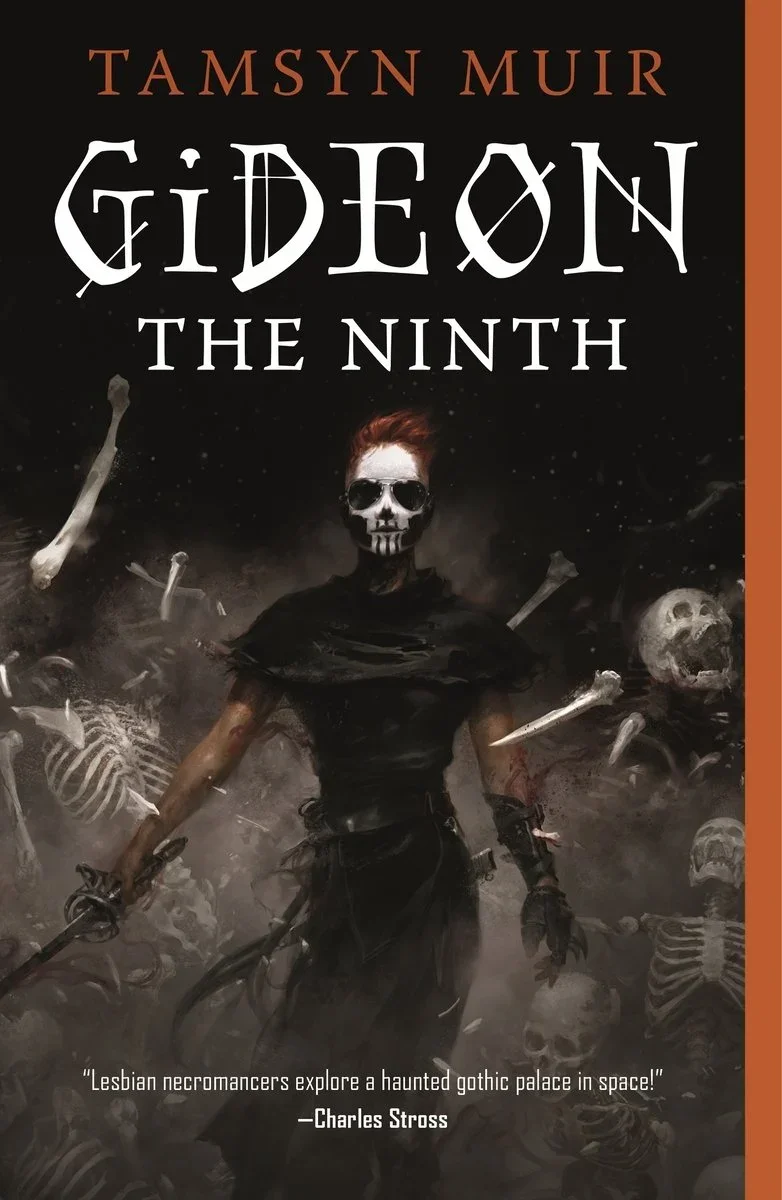
Gideon the Ninth by Tamsyn Muir
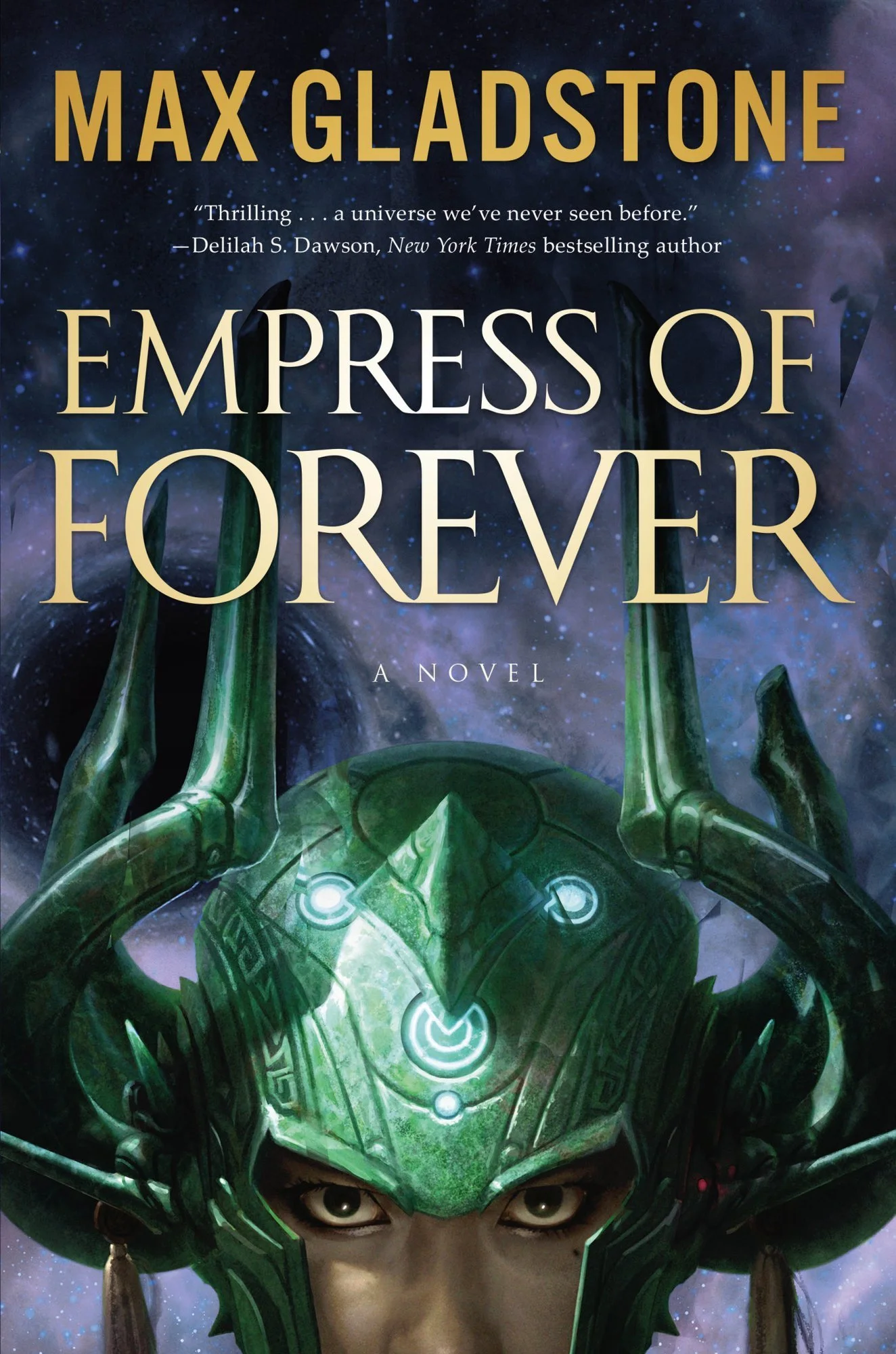
Empress of Forever by Max Gladstone
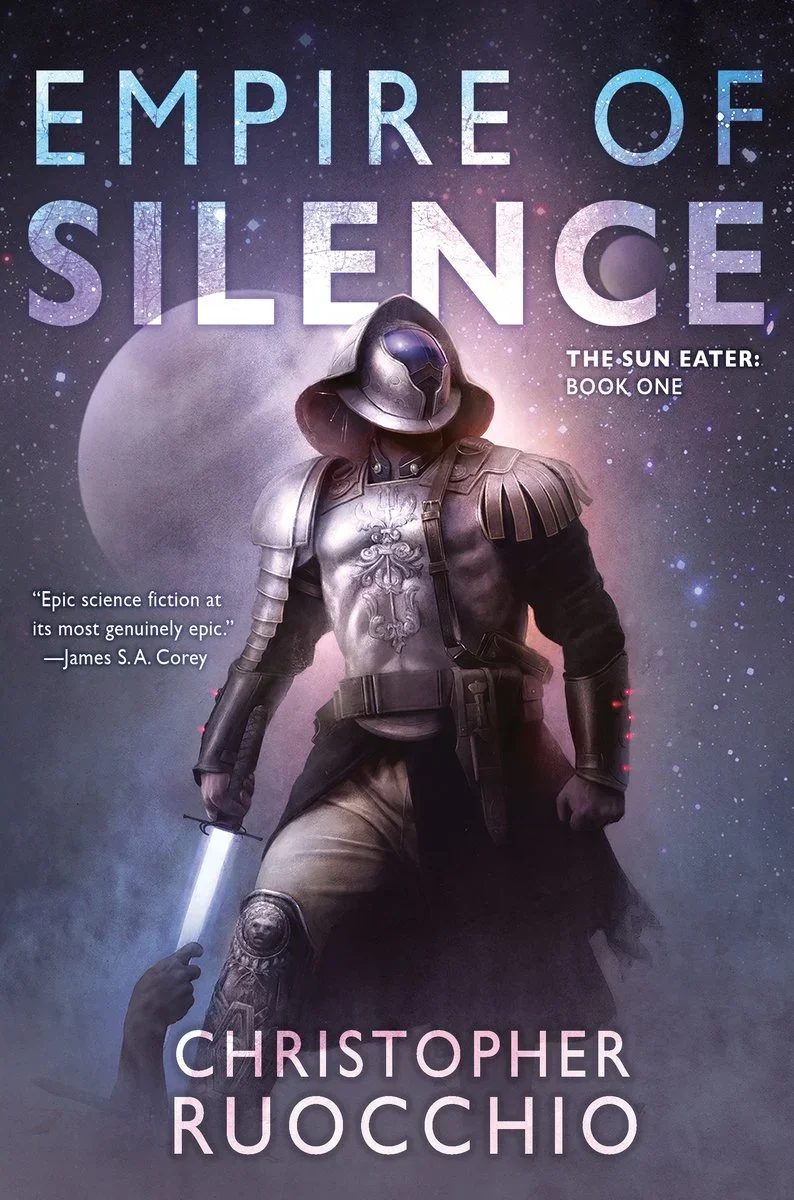
Empire of Silence by Christopher Ruocchio
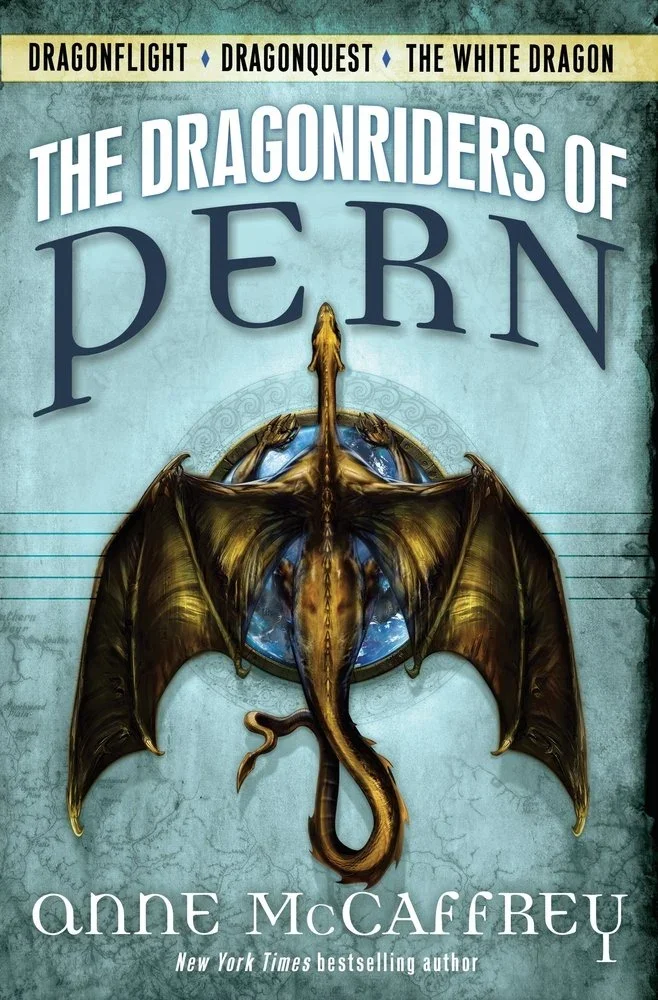
Dragonriders of Pern by Anne McCaffrey
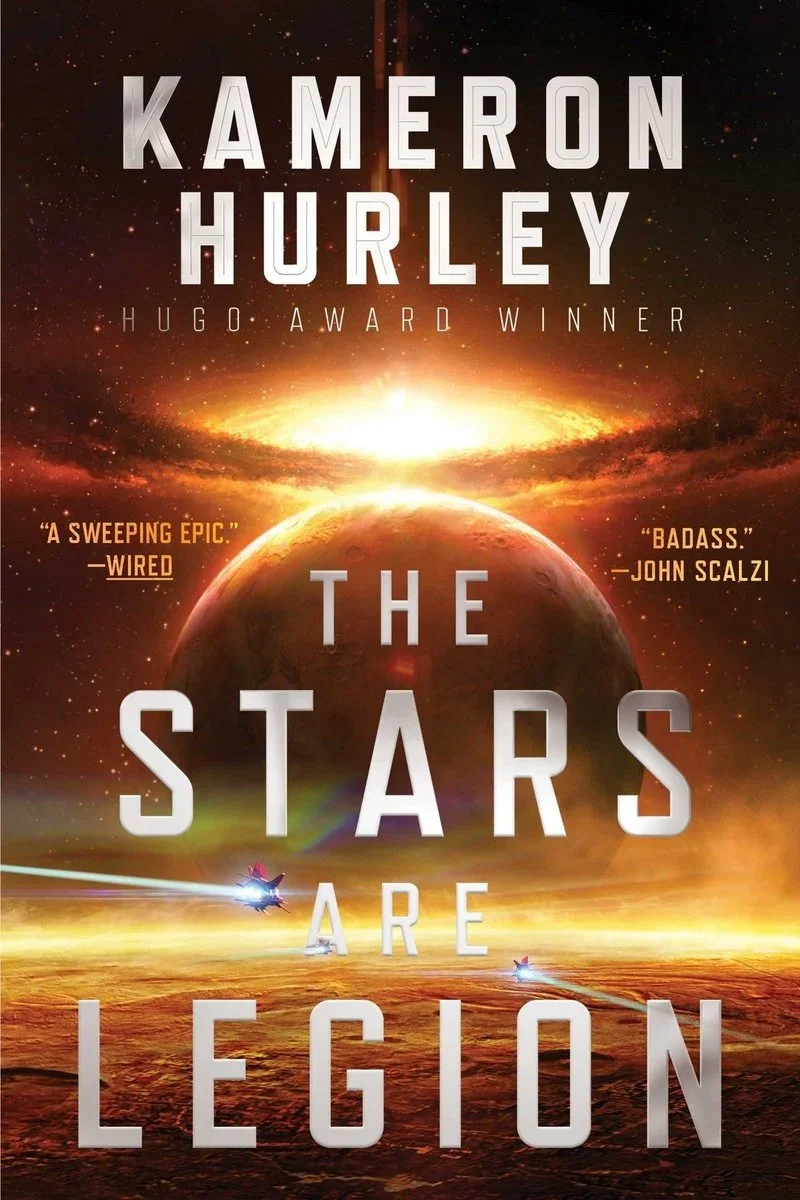
The Stars Are Legion by Kameron Hurley
Which Sci-Fi Subgenre Is Right for You?
If you love action and adventure, start with Space Opera. If you enjoy technology and dystopian worlds, Cyberpunk may be your perfect fit. Readers who enjoy philosophical questions and social commentary will likely gravitate toward Soft Science Fiction, while fans of survival stories should explore Post-Apocalyptic and Dystopian sci-fi.
One of the best things about science fiction is that these categories frequently overlap. A single book may be part space opera, part military sci-fi, and part first contact story. The possibilities are endless, which is exactly what makes the genre so exciting.
Whether you're looking for galaxy-spanning adventures, thought-provoking social commentary, or realistic visions of the future, there's a sci-fi subgenre waiting to become your new obsession.
All links in this post are affiliate links, which means I may earn a small commission if you purchase through it, at no extra cost to you. Shopping through Bookshop.org helps support independent bookstores, which I love.
