
Best Science Fiction Books Coming in 2026
If 2025 was about sci-fi getting experimental again, 2026 is where it fully commits to the bit.
This year’s lineup leans:
more character-driven
more morally complicated
and significantly weirder (in a good way)
We’re seeing a shift away from purely plot-heavy space adventures toward stories that ask bigger questions about identity, technology, climate, and what it actually means to be human.
Whether you’re a longtime sci-fi reader or someone who usually avoids the genre, these are the books worth paying attention to.
Want to grab these books for yourself? Browse the full list on my Bookshop storefront. Reminder that shopping with Bookshop supports indie bookstores! <3
Or if you prefer, you can watch my YouTube video where I discuss the books in this list in more details here.
The Most Anticipated Sci-Fi Books of 2026
Major Releases and Returning Favorites
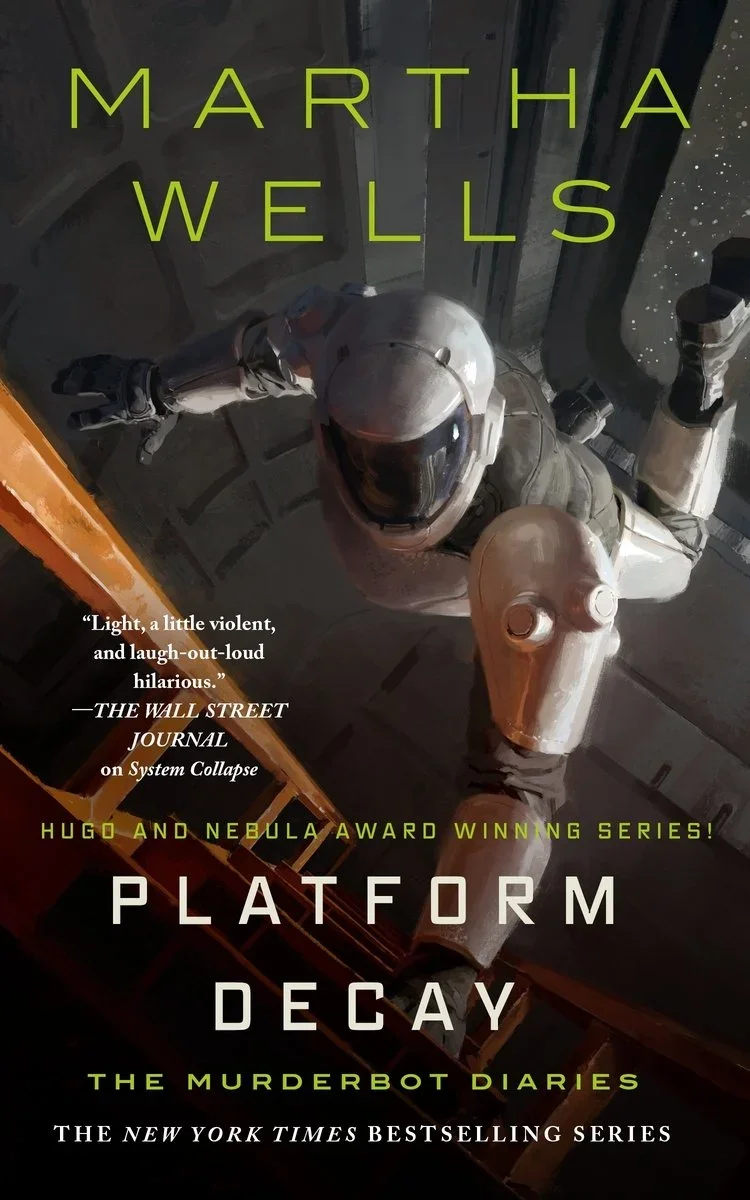
Platform Decay by Martha Wells
The next installment in the Murderbot Diaries is arguably one of the most anticipated sci-fi releases of the year. Expect the same sharp humor, existential tension, and reluctant emotional growth that made the series a favorite.
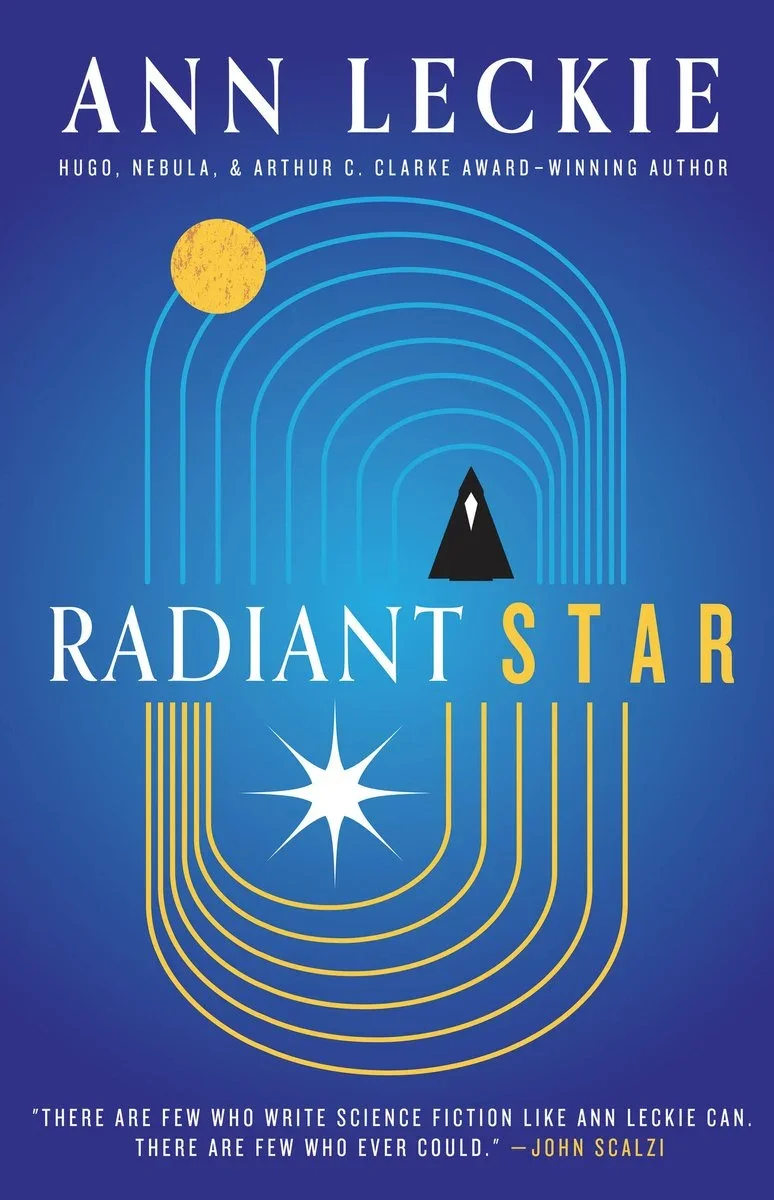
Radiant Star by Ann Leckie
Leckie returns with another politically layered, character-focused story. If you like thoughtful, slower sci-fi that explores identity and empire, this will be a standout.
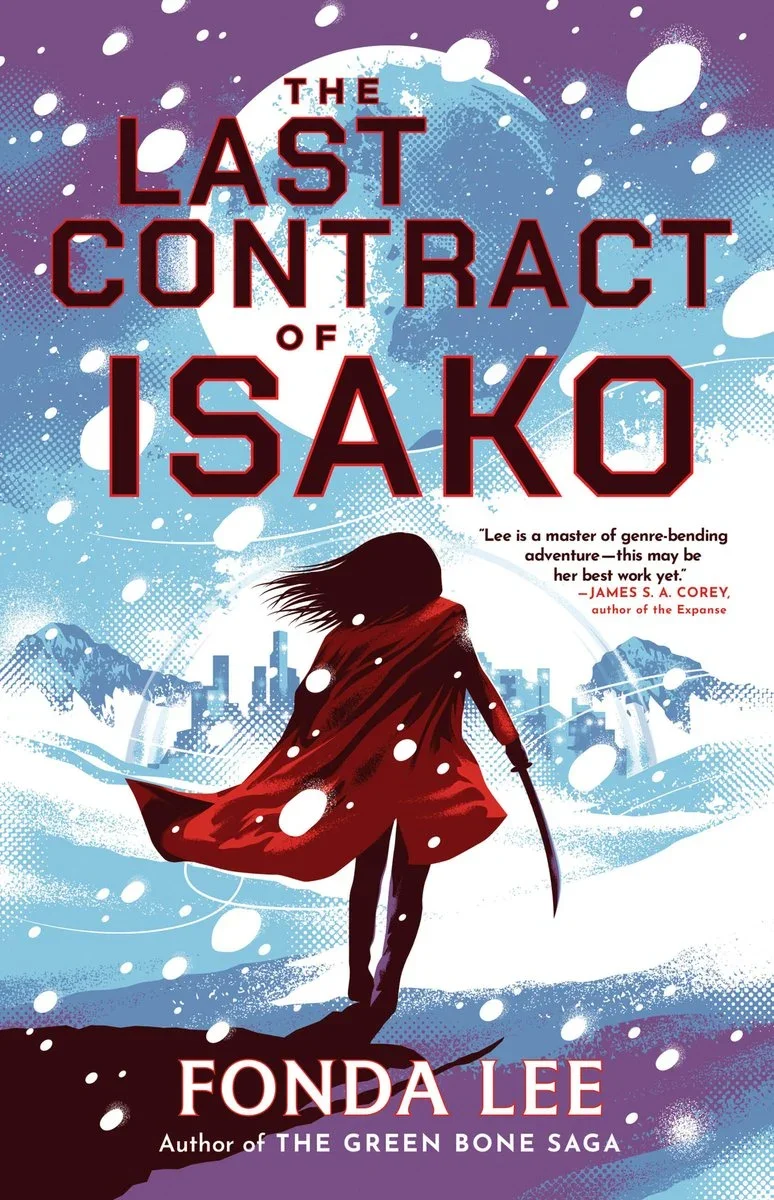
The Last Contract of Isako by Fonda Lee
A shift into science fiction for Fonda Lee, blending crime elements with futuristic worldbuilding. Early buzz suggests something gritty, fast-paced, and highly readable.
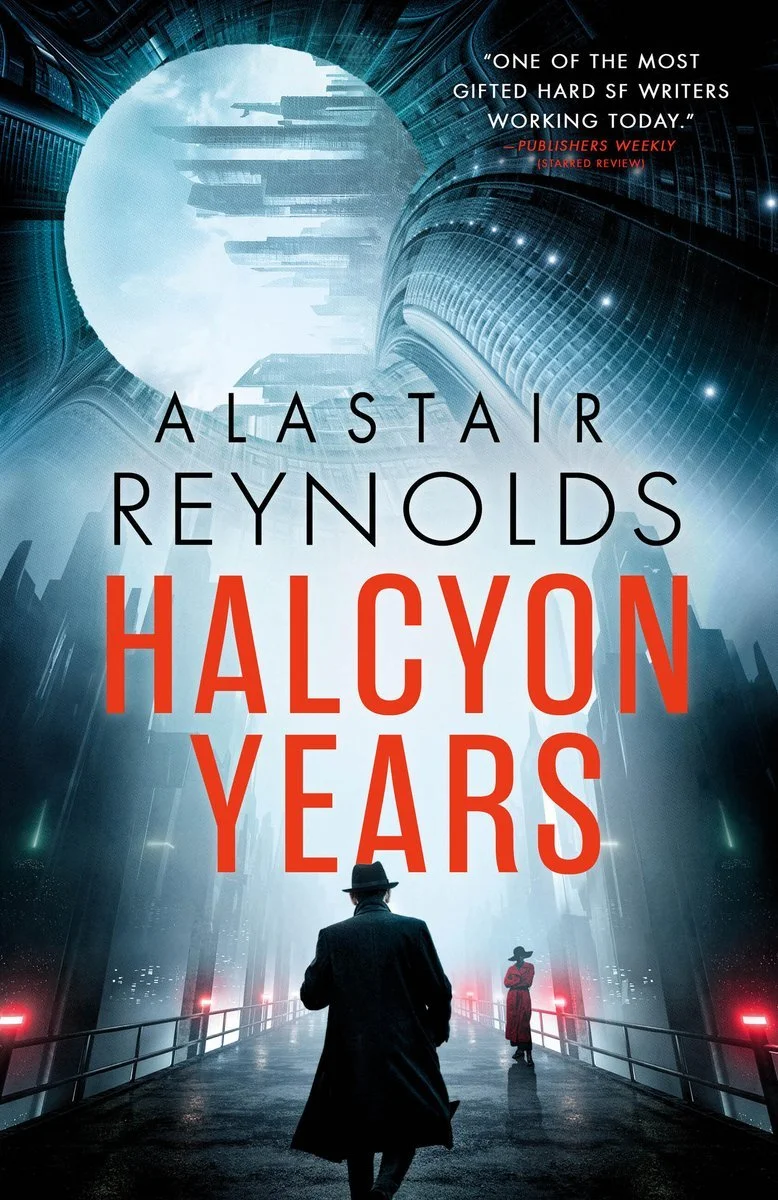
Halcyon Years by Alastair Reynolds
A new release from one of the most respected voices in space opera. Expect ambitious scope, complex science, and a story that unfolds on a massive scale.
Introspective and Offbeat Sci-Fi
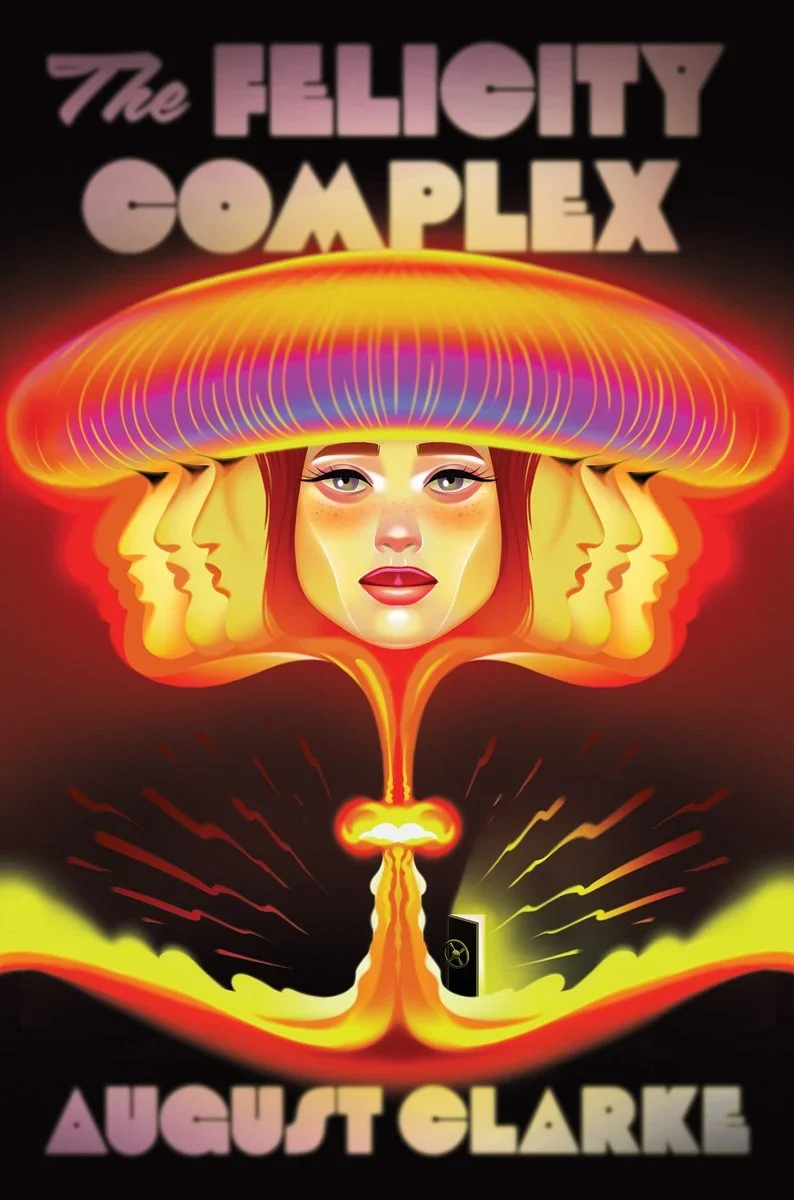
The Felicity Complex by August Clarke
A darker, psychological sci-fi story that explores identity and technology. Expect an unsettling tone and a narrative that leans more atmospheric than plot-heavy.
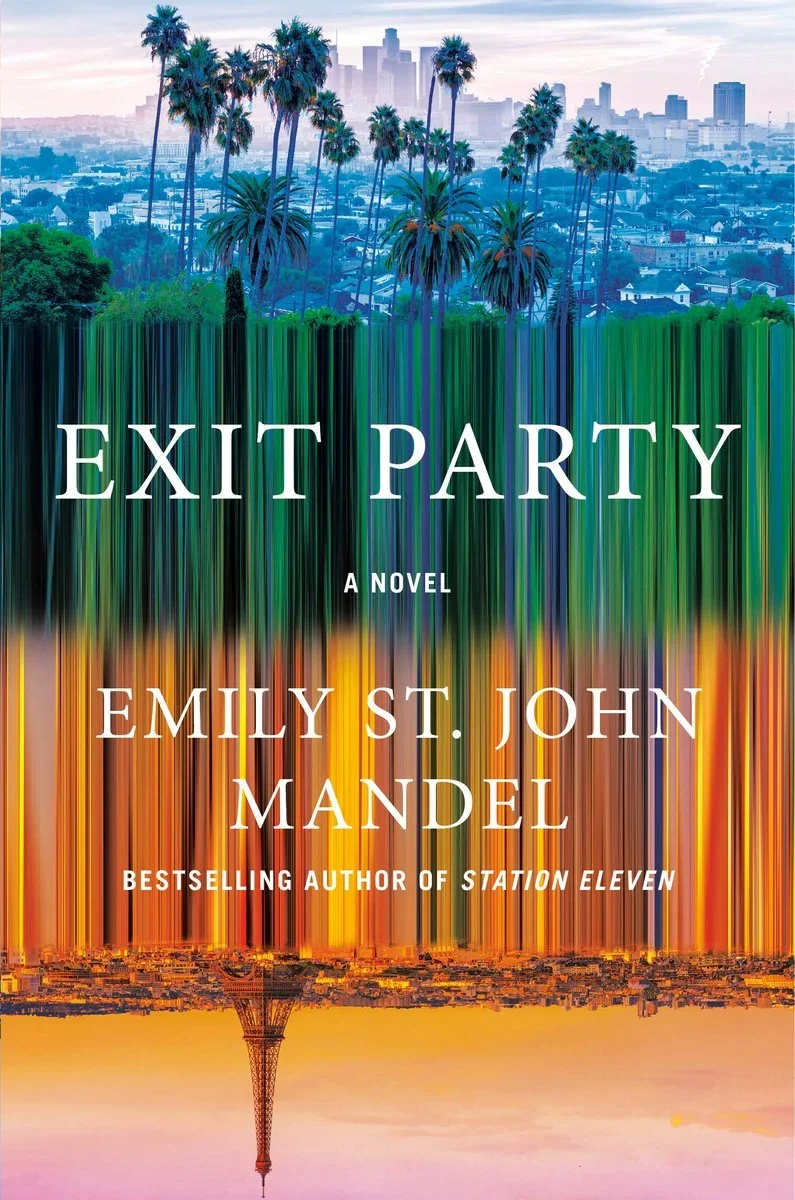
The Exit Party by Emily St. John Mandel
A speculative, character-driven story that likely focuses on memory, connection, and subtle shifts in reality. Best for readers who prefer quieter, literary sci-fi.
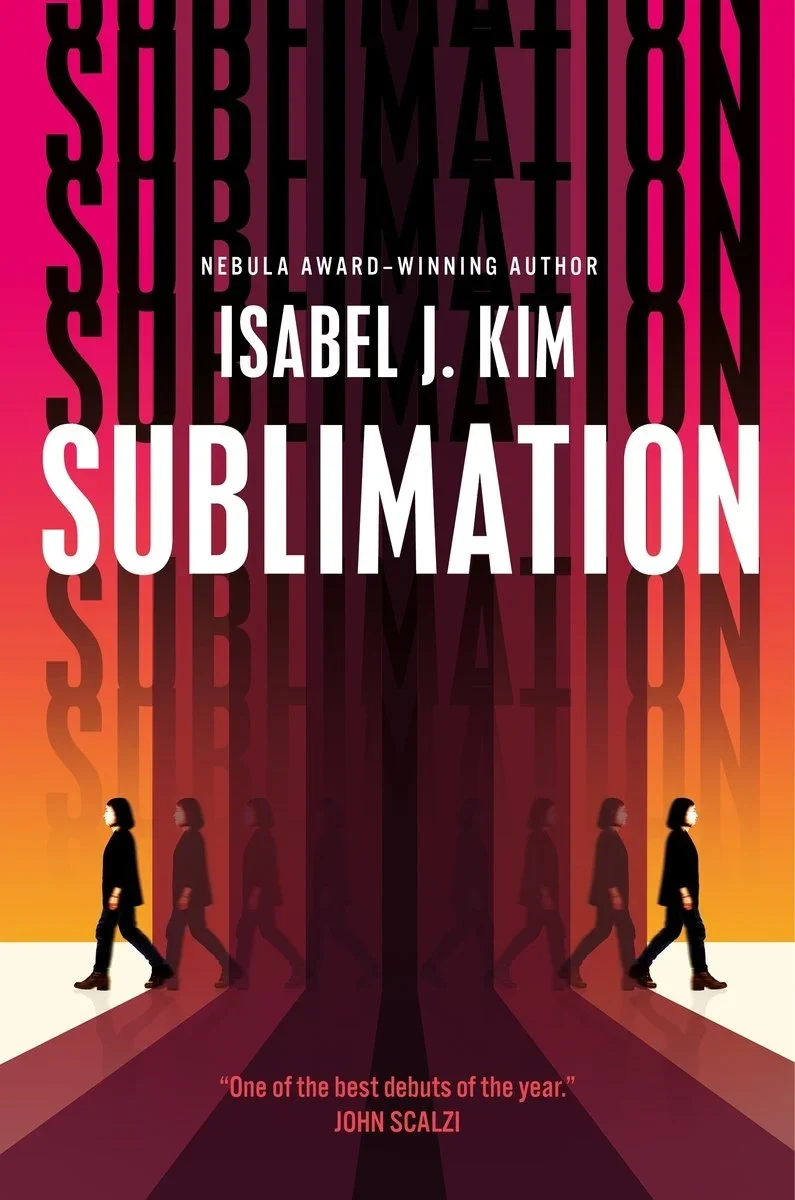
Sublimation by Isabel J. Kim
High-concept sci-fi grounded in human experience. Expect big ideas around transformation or consciousness with a precise, thoughtful execution.
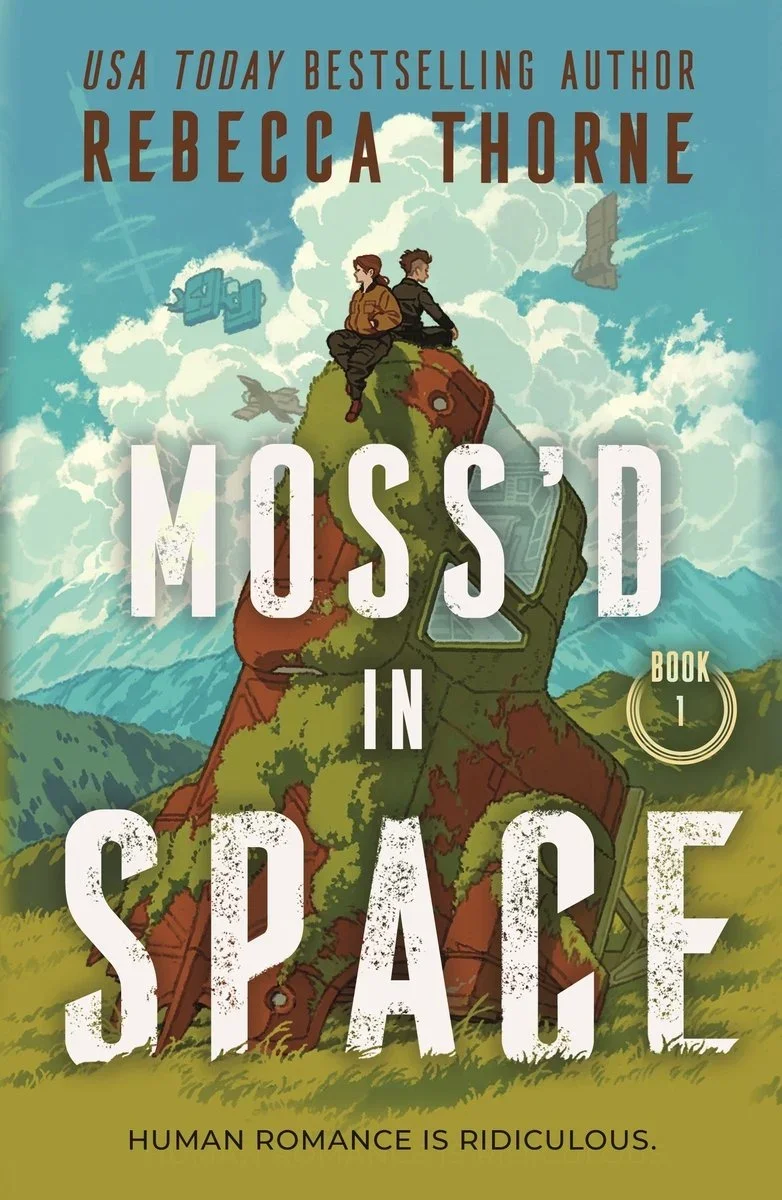
Moss’d in Space by Rebecca Thorne
A lighter, character-focused sci-fi with humor and strong relationship dynamics. A good entry point if you want something more accessible and fun.
Space Opera and Big Concept Sci-Fi
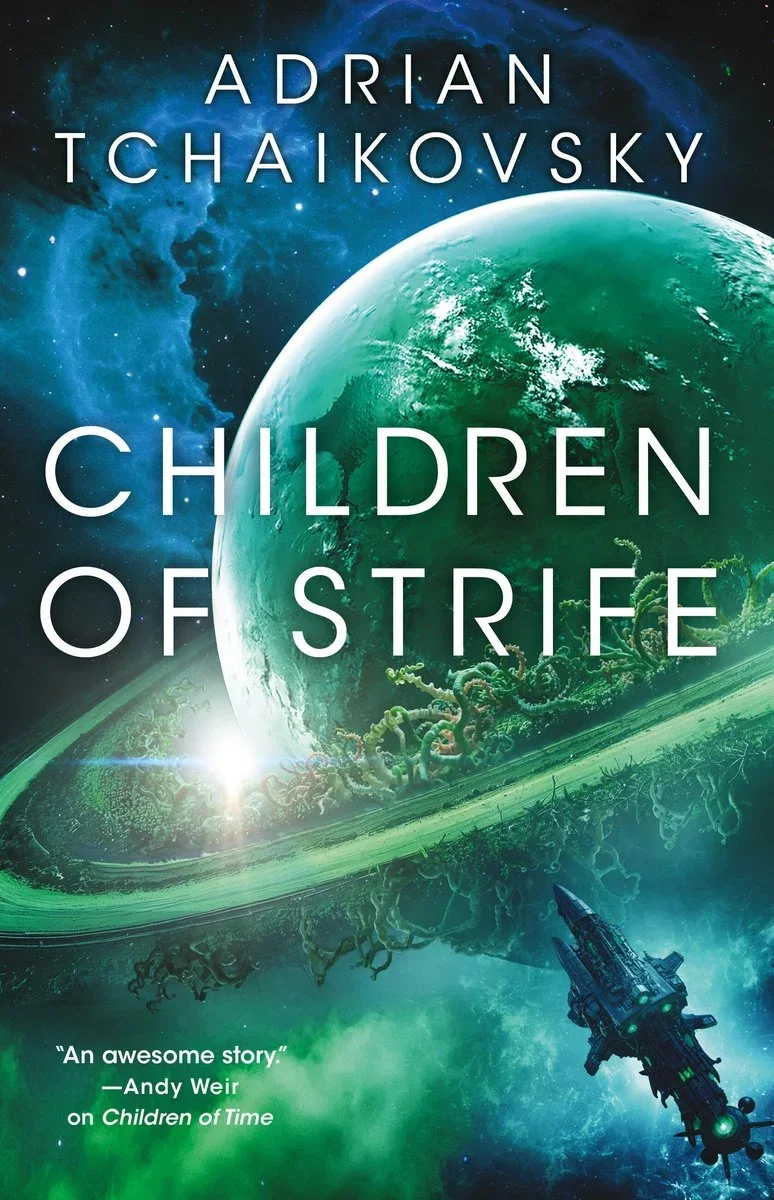
Children of Strife by Adrian Tchaikovsky
Set in the Children of Time universe, this continues Tchaikovsky’s exploration of evolution, intelligence, and survival across species. If you like high-concept sci-fi that pushes boundaries, this is essential.
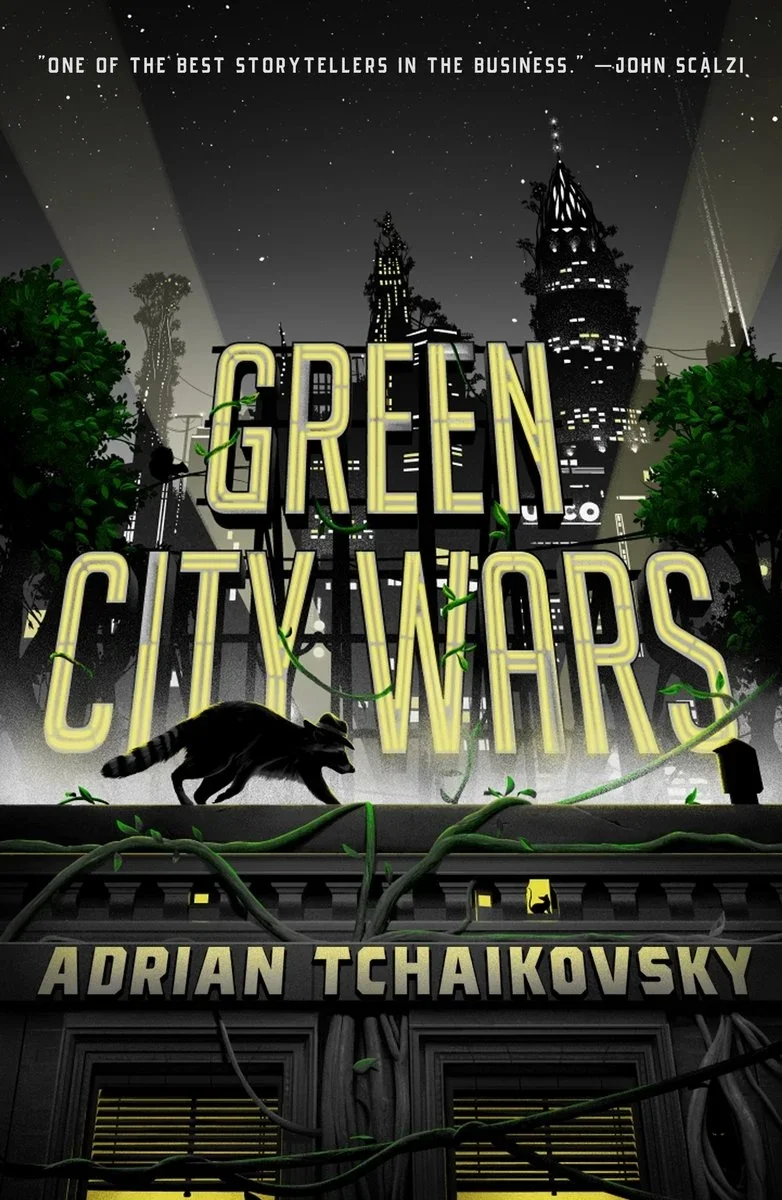
Green City Wars by Adrian Tchaikovsky
A very different tone from his space epics. This leans more dystopian and grounded, with a focus on urban conflict and environmental tension. An adult noir tale where all the characters are animals!
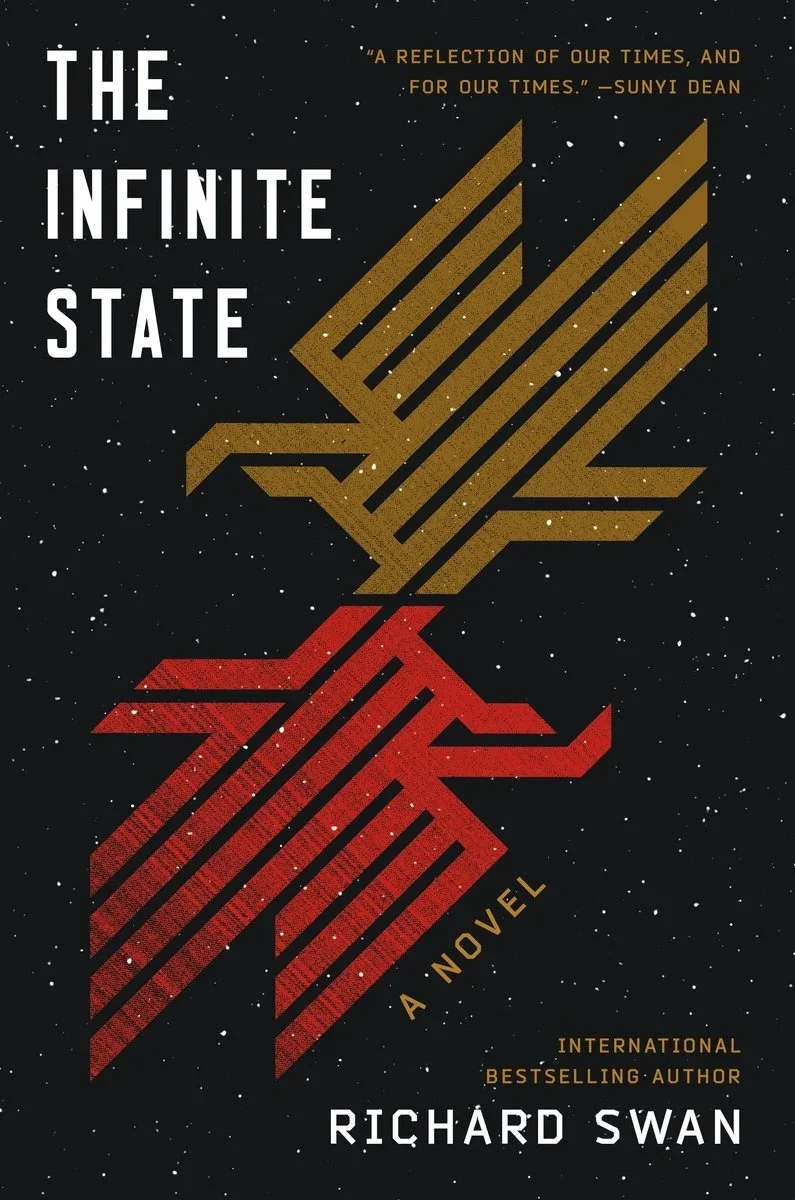
The Infinite State by Richard Swan
A surveillance-heavy dystopian story that feels especially timely. Think authoritarian systems, technological control, and the cost of resistance.
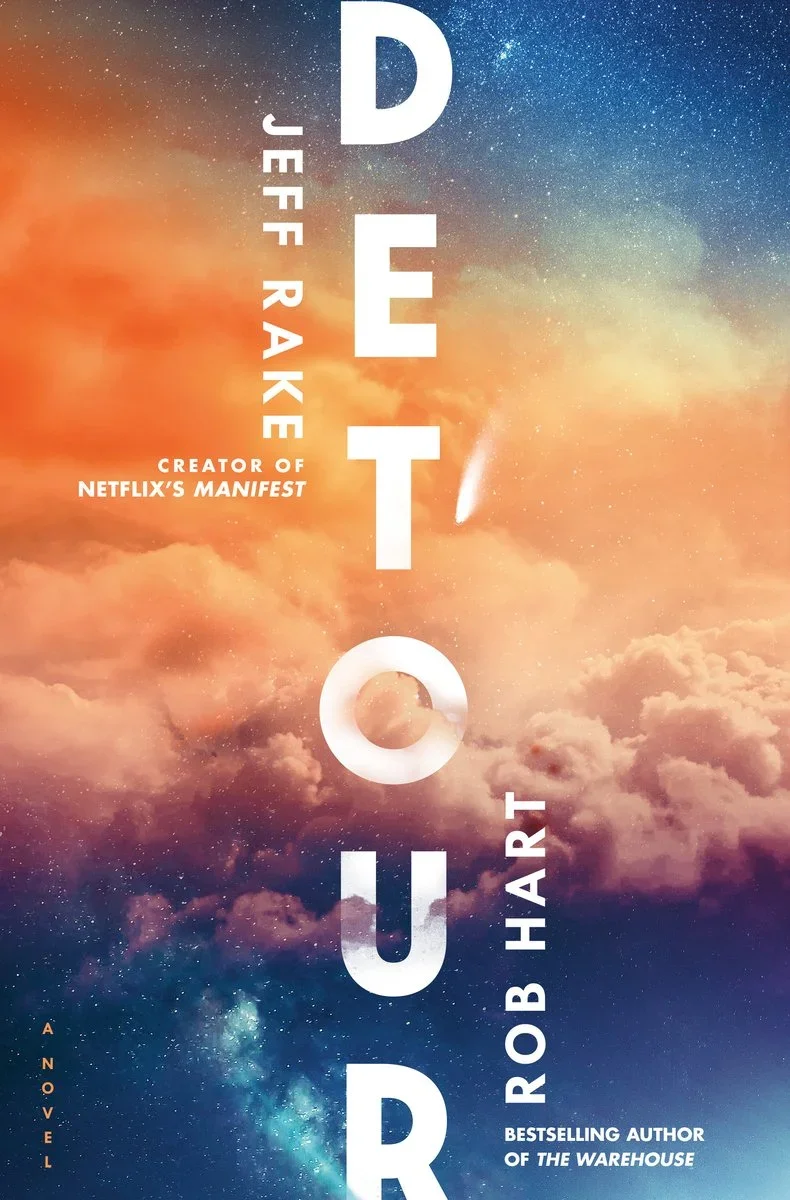
Detour by Jeff Rake and Rob Hart
A space mission returns to Earth only to find it fundamentally changed. This blends alternate reality elements with a strong emotional core. I read this one with my sci-fi bookclub, Libronauts, and it was AMAZING!
Literary and Concept-Driven Sci-Fi
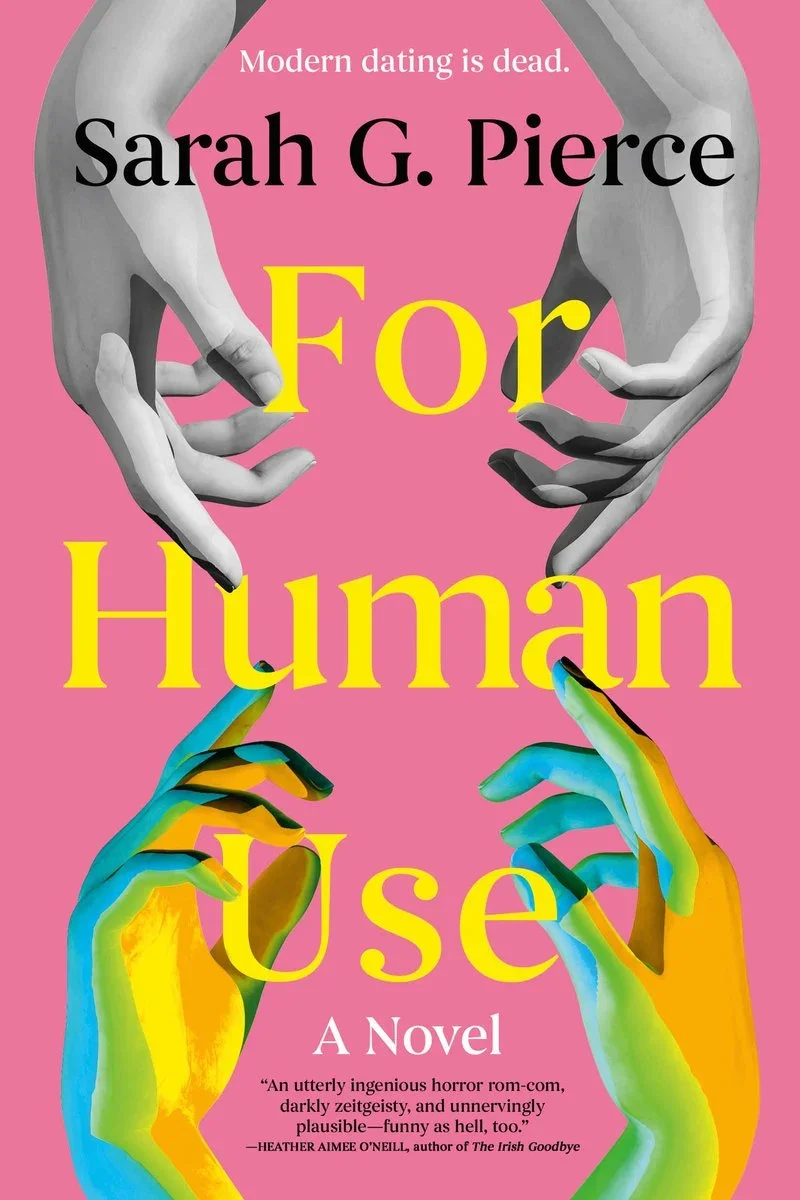
For Human Use by Sarah G. Pierce
One of the strangest premises of the year: a dating app that matches people with the dead. This leans speculative and unsettling, with a strong focus on human connection and loneliness. And I am VERY excited to get to it.
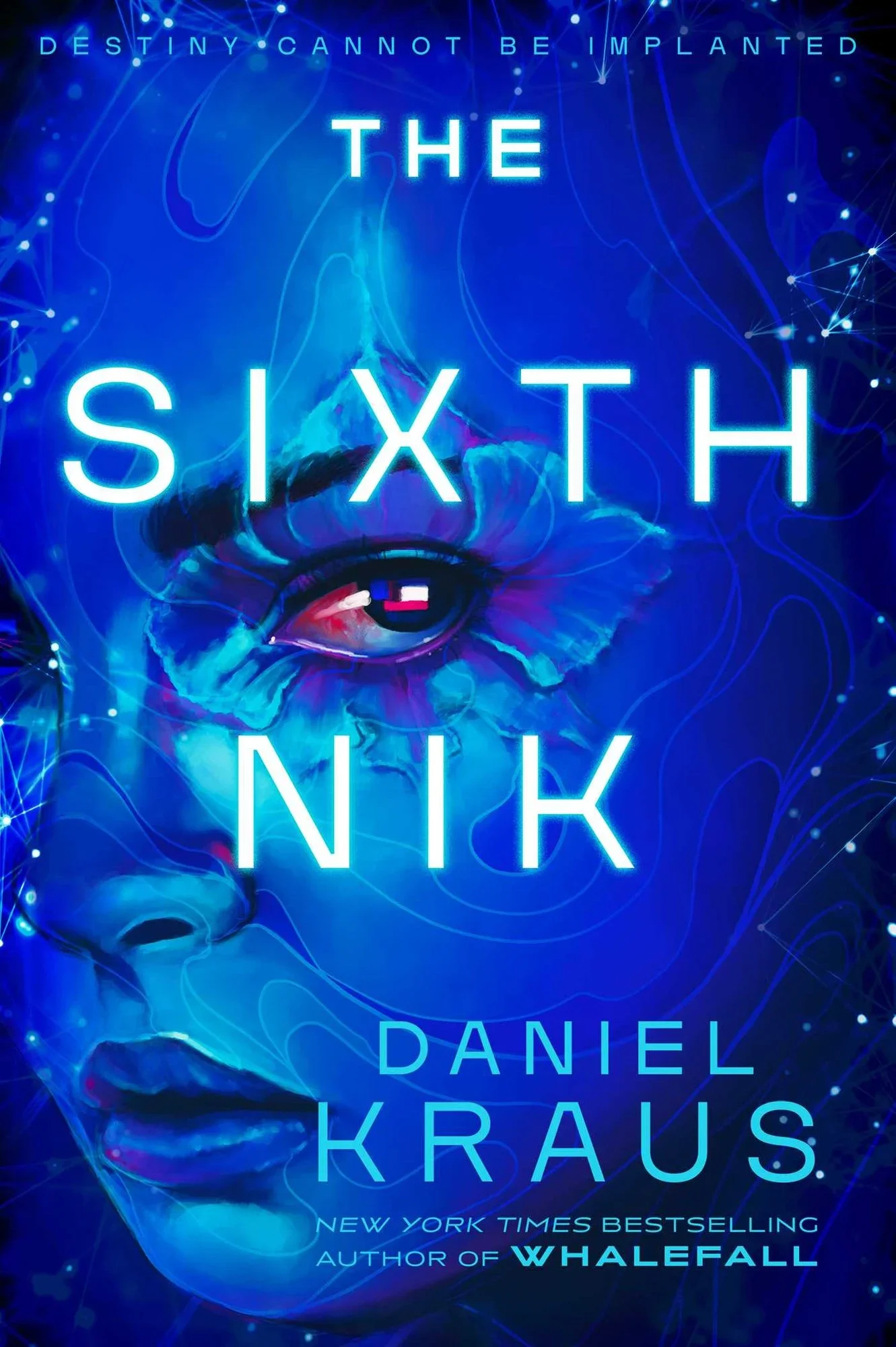
The Sixth Nik by Daniel Kraus
Set aboard a living spaceship heading toward a plague-ridden world. Expect body horror, ethical dilemmas, and a deeply uncomfortable atmosphere.
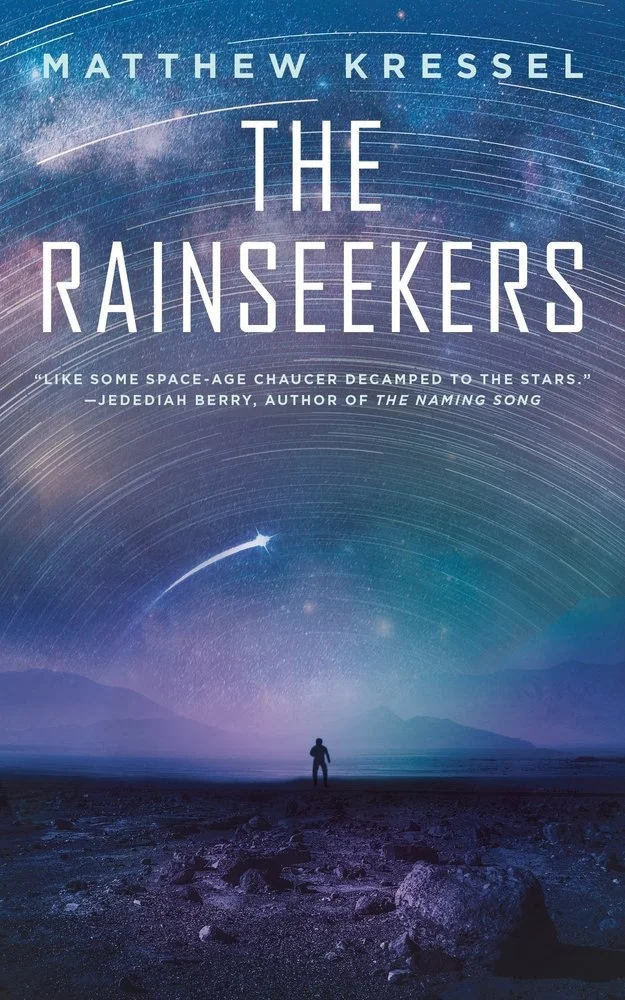
The Rainseekers by Matthew Kressel
A quieter, more introspective story about a group traveling to witness the first rainfall on Mars. Themes of addiction, recovery, and second chances are central here.
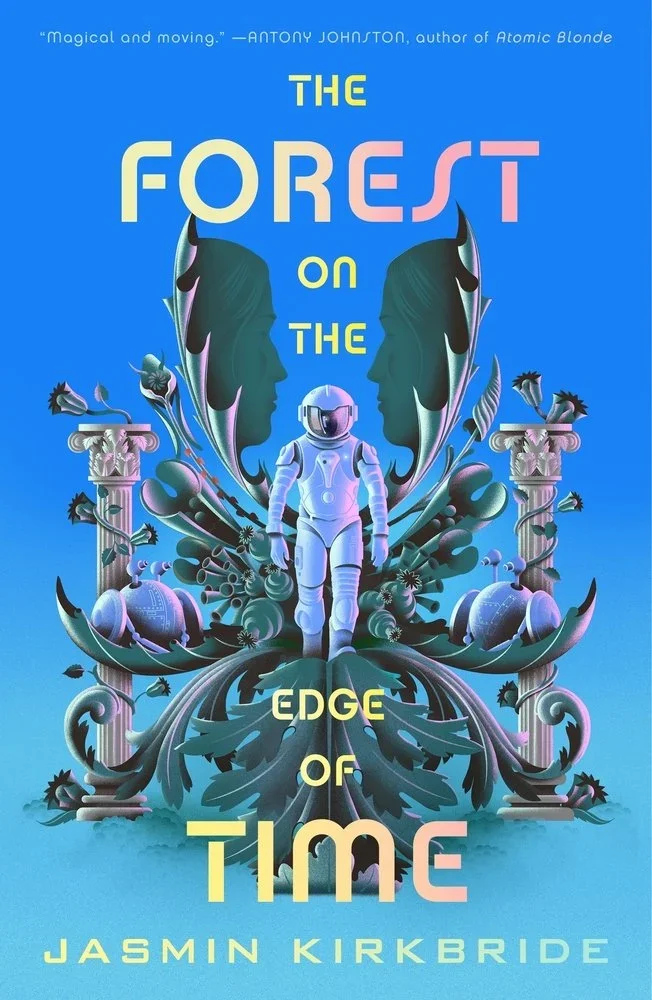
The Forest on the Edge of Time by Jasmin Kirkbride
A layered, time-bending narrative that blends climate fiction with nonlinear storytelling. This is one for readers who like complex structures and big ideas.
Climate Sci-Fi and Speculative Futures
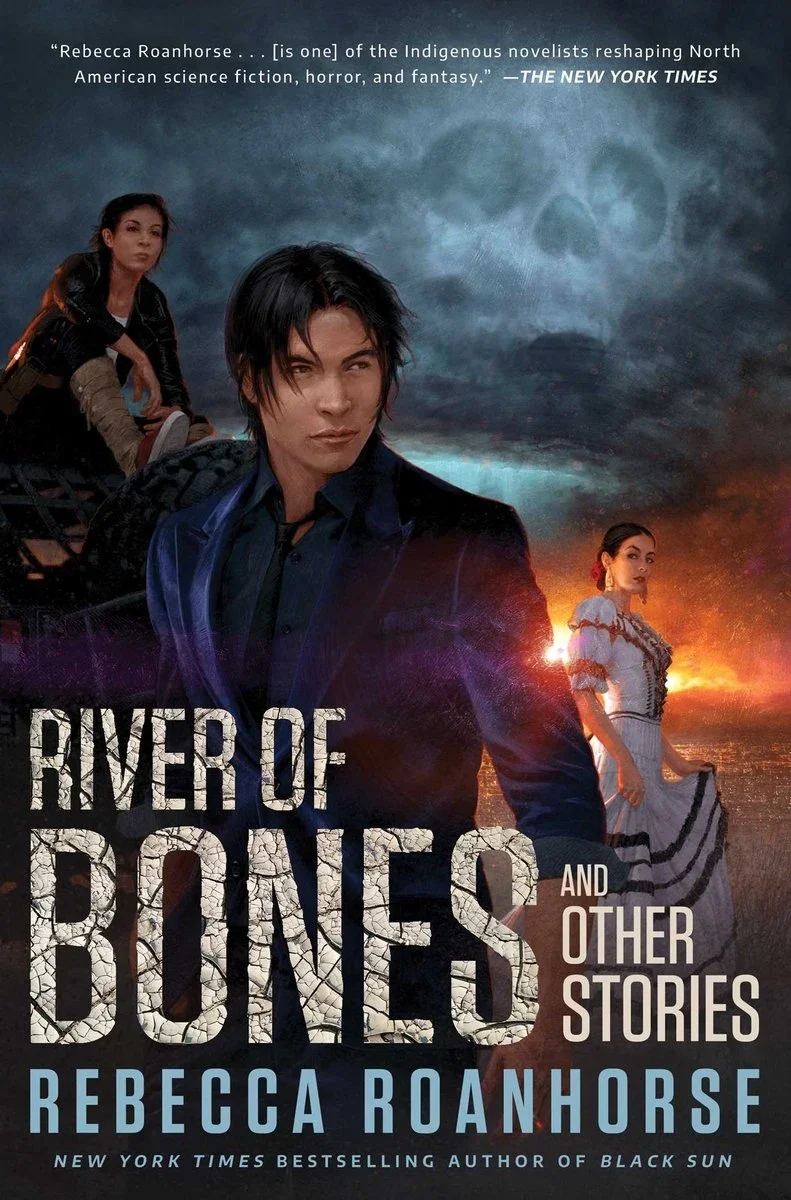
River of Bones and Other Stories by Rebecca Roanhorse
A short story collection that explores speculative futures through the lens of Indigenous futurism, mythology, and environmental change.
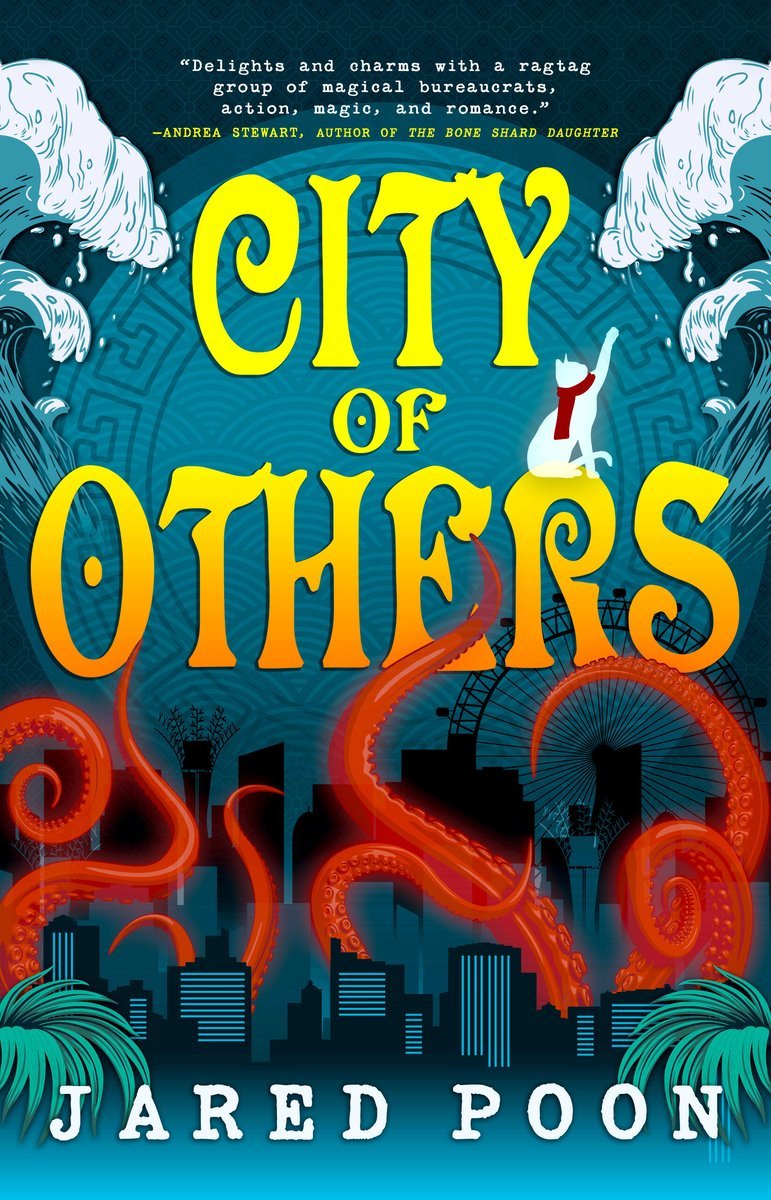
City of Others by Jared Poon
A futuristic urban story that examines displacement, identity, and the meaning of belonging in rapidly changing environments. This one leans more into fantasy with some sci-fi elements.
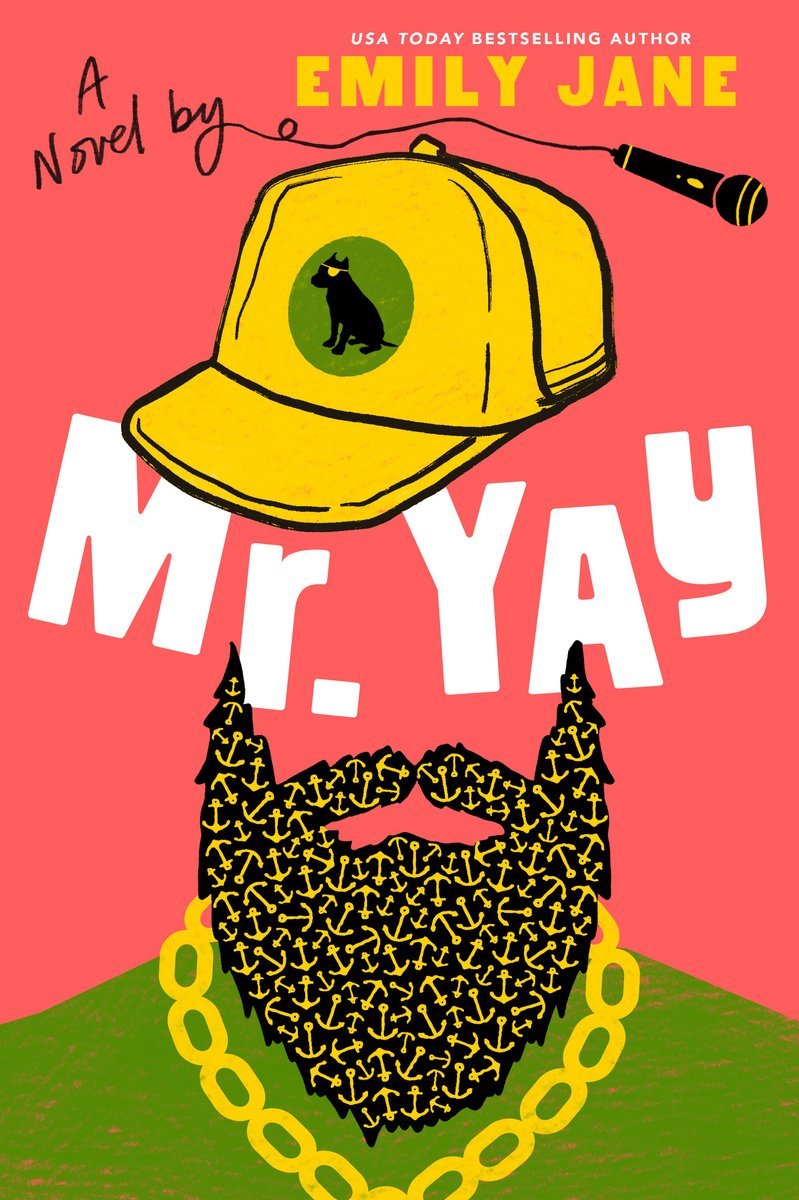
Mr. Yay by Emily Jane
An offbeat speculative story that leans into absurdity while still engaging with larger societal questions.
What Sci-Fi in 2026 Is Actually Doing Differently
The biggest shift this year isn’t just in concepts, it’s in tone.
More authors are prioritizing:
emotional depth over spectacle
genre blending (sci-fi with fantasy, romance, thriller, or literary fiction)
and morally complex characters instead of clear heroes
Even the most high-concept stories are grounded in very human questions: Who gets to survive? What does progress actually cost? And what happens when technology evolves faster than we do?

Final Thoughts
This is a strong year for science fiction, especially if you’ve ever felt like the genre wasn’t for you.
There’s enough range here to cover:
fast-paced, entertaining reads
slower, character-driven stories
and deeply strange, experimental concepts
If nothing else, 2026 is proving that sci-fi isn’t just about the future. It’s about reframing the present in ways that feel sharper, stranger, and more honest.
Happy reading!
** This post contains affiliate links with Bookshop.org, which supports indie bookstores. I may earn from qualifying purchases. This means I may receive a small commission at no extra cost to you if you choose to shop through my links.
